
Golden Layers: The Art of Turkish Pistachio Baklava Revealed
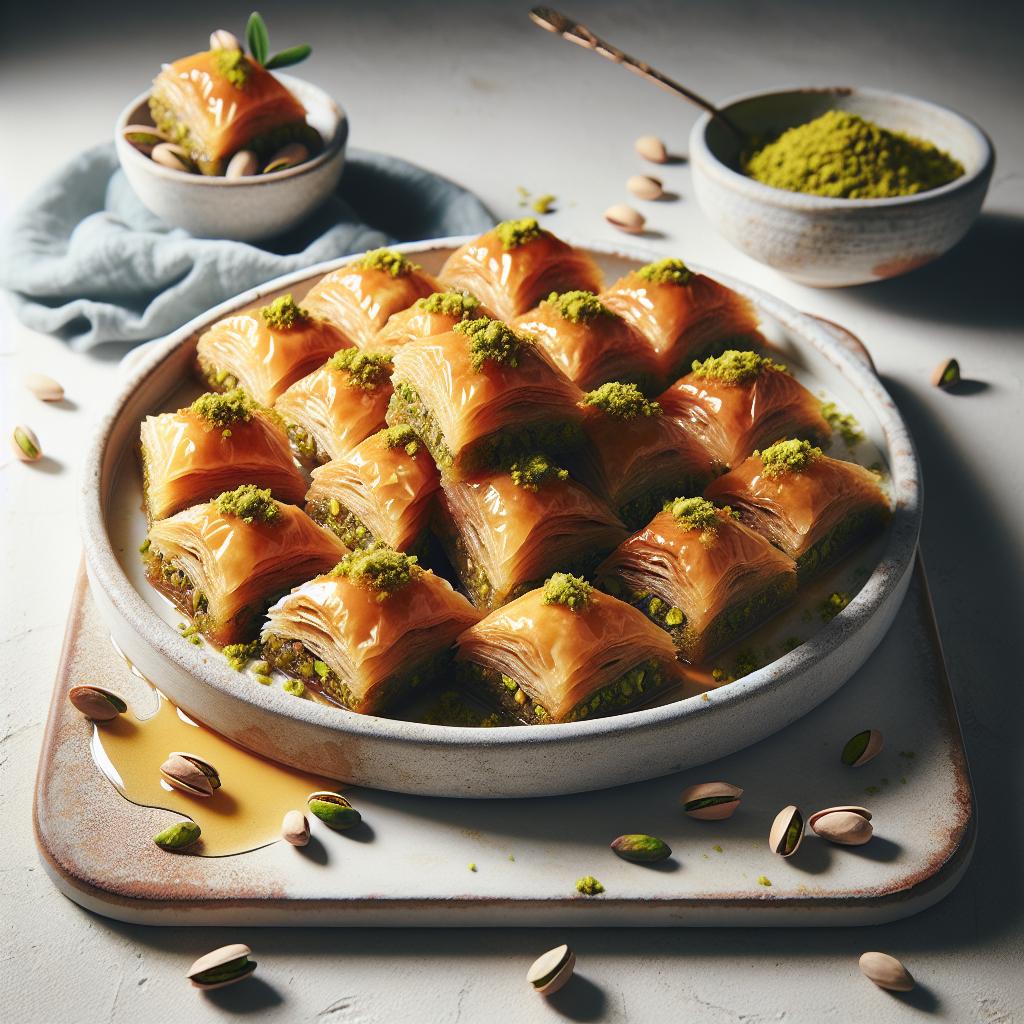
In the world of desserts, few creations embody both history and indulgence like Turkish pistachio baklava. This golden-hued masterpiece, with its delicate, flaky layers and rich, nutty filling, is more than just a sweet treat-it’s a culinary art form passed down through generations. Each bite tells a story of skilled hands meticulously layering thin sheets of phyllo dough, folding in the vibrant green pistachios, and glazing the finished pastry with fragrant syrup. Journey with us as we peel back the shimmering layers of this iconic dessert, revealing the traditions, techniques, and passion that make Turkish pistachio baklava a timeless treasure on the global dessert stage.
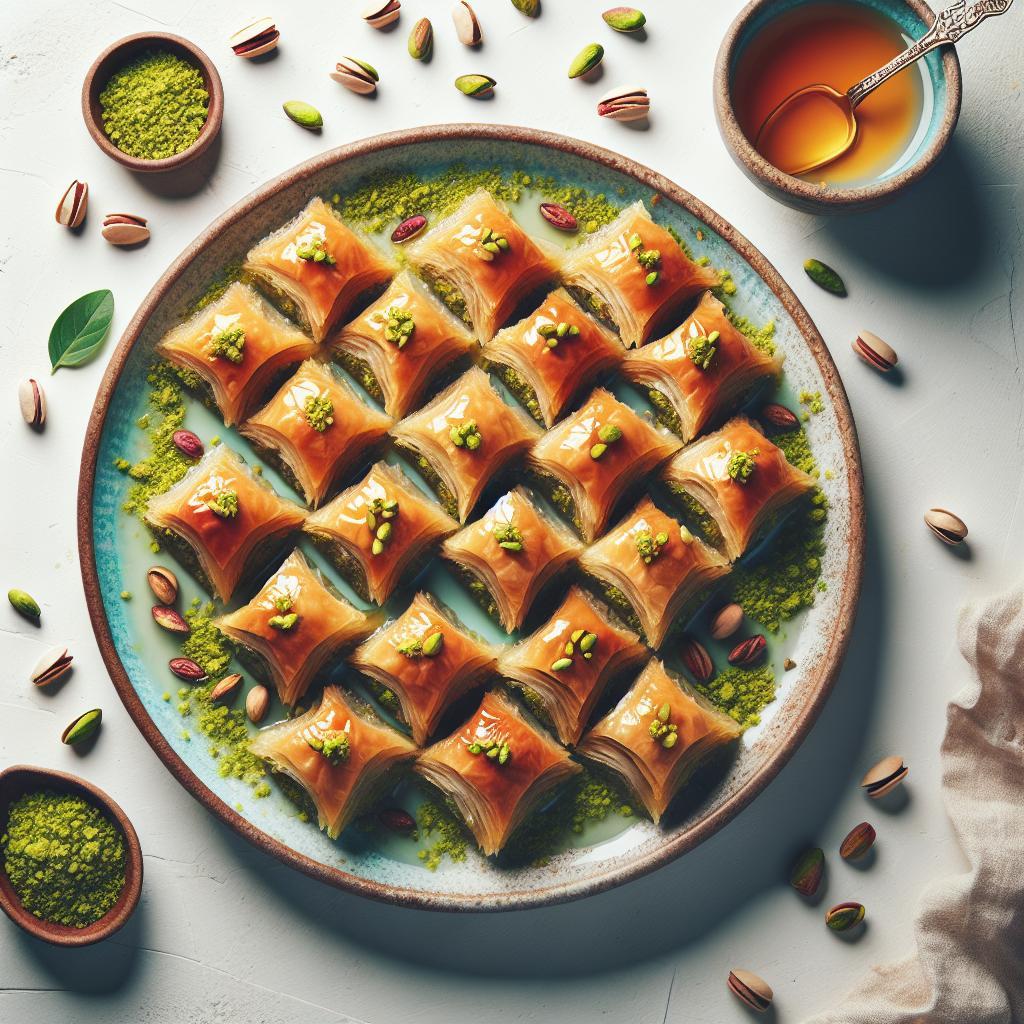
Golden Layers: The Art of Turkish Pistachio Baklava Revealed captivates not only with its dazzling appearance but through a centuries-old legacy that transforms simple ingredients into an exquisite treat. This iconic dessert from Turkey invites you to experience a feast of flaky, glistening dough enveloping luscious layers of finely ground pistachios, all drenched in fragrant honey syrup. The secret lies in mastering delicate dough handling, optimal nut selection, and precise baking techniques to craft baklava that boasts crisp, golden layers and a perfect balance of textures and flavors.
Prep and Cook Time
- Preparation: 1 hour 30 minutes (including dough resting and layering)
- Cooking: 45 minutes
- Total: 2 hours 15 minutes
Yield
Serves 12 generous portions
Difficulty Level
Advanced – Patience and precision required for optimum dough texture and layering
Ingredients
- For the Dough:
- 2 cups all-purpose flour, sifted
- 1/2 teaspoon fine sea salt
- 3/4 cup warm water, approximately
- 1 tablespoon white vinegar
- 3 tablespoons olive oil or melted unsalted butter
- For the Filling:
- 2 cups shelled Turkish pistachios, finely chopped or ground
- 1 teaspoon ground cinnamon (optional)
- For the Syrup:
- 2 cups granulated sugar
- 1 cup water
- 1 cup honey (preferably Turkish pine honey)
- 1 tablespoon fresh lemon juice
- 1 cinnamon stick
- For Assembly and Baking:
- 1 cup unsalted butter, melted (for brushing layers)
Instructions
- Prepare the dough: In a large bowl, combine sifted flour and salt. Mix the warm water with vinegar and olive oil. Gradually pour liquid into flour, mixing with a spoon or hands until the dough begins to form.
- Knead until smooth: Transfer dough to a floured surface and knead vigorously for 10 minutes until it becomes elastic and soft. Cover with a clean towel and let rest for at least 1 hour – this resting allows the gluten to relax, ensuring a supple dough that can be stretched paper-thin.
- Prepare the pistachio filling: While dough rests, pulse shelled pistachios to a fine yet slightly coarse texture in a food processor. Avoid over-processing into a powder; the bite of pistachios adds delightful texture. Mix in cinnamon carefully for subtle warmth, if desired.
- Roll and stretch the dough: Divide dough into walnut-sized balls. On a large floured surface, roll each ball thinly with a rolling pin. Stretch carefully by hand or over a clean kitchen towel to achieve translucent sheets as thin as rice paper. Take your time; the beauty lies in these delicate golden layers.
- Layer the baklava: Preheat oven to 350°F (175°C). Brush the bottom of a greased baking dish with melted butter. Place a sheet of dough, brush with butter, then repeat layering until you have 8-10 sheets stacked.
- Add pistachio filling: Sprinkle an even layer of pistachios, then cover with another 5-6 sheets of dough, brushing butter between each. Repeat layering and filling until all pistachios and dough are used, finishing with several butter-brushed sheets on top.
- Cut the baklava: Using a sharp knife, pre-cut the layered baklava into traditional diamond or square shapes. This step is crucial before baking to ease serving and retain crisp edges.
- Bake: Place in the oven and bake for 40-45 minutes until all layers turn golden and crisp. The aroma will fill your kitchen with nutty, buttery magic.
- Prepare the syrup: While baklava bakes, combine sugar, water, honey, lemon juice, and cinnamon stick in a saucepan. Bring to a boil, then simmer gently for 10 minutes until thickened. Remove cinnamon stick and let cool slightly.
- Soak the baklava: As soon as baklava comes out of the oven, pour warm syrup evenly over the hot layers. This step ensures syrup absorption, creating a juicy yet crunchy texture that defines this masterpiece.
- Cool and set: Allow baklava to rest for several hours or overnight at room temperature. The syrup will soak fully, and the golden layers will meld into an irresistible harmony of crunch and sweetness.
Tips for Success
- Use authentic Turkish pistachios whenever possible; their vibrant green color and unique flavor elevate the dish beyond ordinary baklava.
- Applying thin layers of butter evenly is crucial – it prevents the dough from sticking and promotes a crisp, golden finish.
- Stretch dough gradually and patiently; if it tears, patch delicately or overlap to preserve structural integrity.
- Allow syrup to cool slightly before pouring-very hot syrup can melt layers and overly soften texture.
- Store baklava uncovered at room temperature to maintain crispness. Refrigeration can cause sogginess.
- For a quicker version, use store-bought phyllo dough, but note it won’t replicate the artisanal texture and golden layers of handmade dough.
Serving Suggestions
Present each golden diamond-shaped piece on a delicate porcelain plate, garnished with crushed pistachios and a light dusting of powdered sugar or edible gold leaf for an elevated visual flair. Accompany with a small cup of strong Turkish coffee or fragrant brewed black tea to balance the baklava’s luscious sweetness. For a traditional touch, add a dollop of clotted cream or a side of unsweetened thick yogurt to cleanse the palate between bites.
| Nutritional Information (per serving) | Calories | Protein | Carbs | Fat |
|---|---|---|---|---|
| Pistachio Baklava | 320 kcal | 5 g | 35 g | 18 g |
Explore more traditional Turkish desserts to continue your culinary adventure. For a deeper dive into pistachio cultivation and its gastronomic significance, visit the Food and Agriculture Organization of the United Nations (FAO).

Q&A
Q&A: Golden Layers – The Art of Turkish Pistachio Baklava Revealed
Q1: What makes Turkish pistachio baklava stand out among other desserts?
A1: Turkish pistachio baklava is a masterpiece of tradition and technique. Its hallmark is the perfect balance of flaky, golden layers of pastry, rich buttery infusion, and the nutty crunch of freshly ground pistachios. Unlike many desserts that rely solely on sweetness, this baklava offers a harmonious blend of textures and flavors that tell a story of centuries-old craftsmanship.
Q2: Why pistachios instead of other nuts?
A2: Pistachios are the quintessential nut in Turkish baklava, prized for their vibrant green hue and subtly sweet, earthy flavor. Gaziantep, a region in Turkey, is famous for cultivating some of the finest pistachios in the world, making them the jewel in the crown of this dessert’s identity. Using pistachios elevates baklava from a simple sweet to an aromatic cultural emblem.
Q3: What is the significance of the “golden layers” in baklava?
A3: The “golden layers” refer to the delicate phyllo dough sheets that are painstakingly rolled and layered to create baklava’s signature crisp yet tender texture. Each layer is brushed with melted clarified butter, which browns beautifully in the oven, creating a visual and sensory appeal that hints at the buttery richness packed inside. These layers symbolize patience, skill, and the artistry of Turkish pastry chefs.
Q4: How is the syrup made, and why is it important?
A4: The syrup is a blend of sugar, water, and a splash of lemon juice, sometimes infused with fragrant rose water or orange blossom water. It is carefully cooked to the right thickness so it seeps into every layer without making the dessert soggy. The syrup is crucial-it binds the layers and nuts, giving baklava its signature moist sweetness and preserving its texture over time.
Q5: Can you describe the traditional process of making Turkish pistachio baklava?
A5: Making baklava is a labor of love: the phyllo dough is rolled paper-thin, then layered in a buttered tray. Generous amounts of finely ground pistachios are sprinkled between the sheets. The layered masterpiece is cut into shapes-often diamonds or triangles-before baking to a golden crisp. Once out of the oven, the cooled syrup is poured over, letting the sweet nectar soak in gradually, marrying all components into a luscious symphony.
Q6: Is there a cultural meaning behind eating baklava in Turkey?
A6: Baklava is far more than a dessert in Turkey; it’s a symbol of hospitality, celebration, and shared joy. Served at festive occasions, weddings, and religious holidays, it embodies generosity and tradition. Sharing a slice of baklava is like partaking in a sweet ritual that connects generations and honors Turkish heritage.
Q7: How has the art of baklava-making evolved in modern times?
A7: While the core techniques remain unchanged, modern baklava artisans experiment with new flavor infusions-like spices, citrus zest, or even chocolate. However, in Turkey, the reverence for traditional recipes persists, emphasizing quality ingredients and time-honored methods. The resurgence of artisanal shops keeps the legacy alive, ensuring the golden layers continue to delight palates worldwide.
Q8: What tips would you give to someone attempting to make Turkish pistachio baklava at home?
A8: Patience is everything. Use high-quality pistachios and real clarified butter. Handle phyllo dough gently; keep it covered to prevent drying out. Don’t skimp on layering the nuts, and be precise with the syrup’s consistency. Finally, allow the baklava to cool before pouring syrup, and then resist the urge to eat it immediately-letting it rest enhances the magical melding of flavors and textures.
This Q&A unravels the golden tapestry of Turkish pistachio baklava, inviting readers to appreciate a dessert that’s as rich in history as it is in flavor.
Insights and Conclusions
As the last flaky shard of pistachio baklava melts on your tongue, you realize that this golden layer is more than just a dessert-it is a centuries-old symphony of textures and flavors, handcrafted with patience and passion. From the delicate brushstrokes of clarified butter on paper-thin phyllo to the vibrant green whispers of finely ground pistachios, each step reveals a story steeped in tradition and artistry. The craft of Turkish pistachio baklava is not merely about sweetness; it is a celebration of heritage woven into edible layers, inviting us to savor history one bite at a time. In uncovering its secrets, we don’t just taste baklava-we experience an enduring emblem of Turkish culture wrapped in shimmering golden perfection.