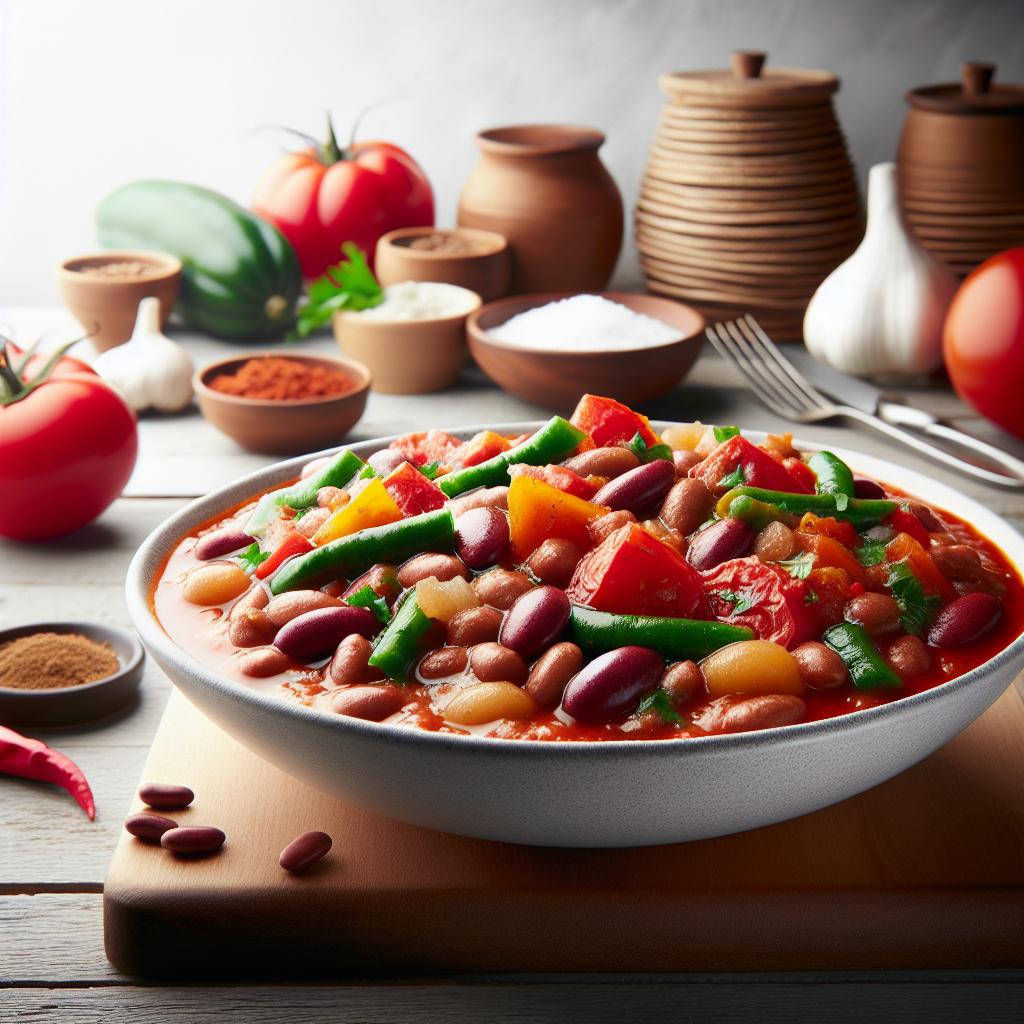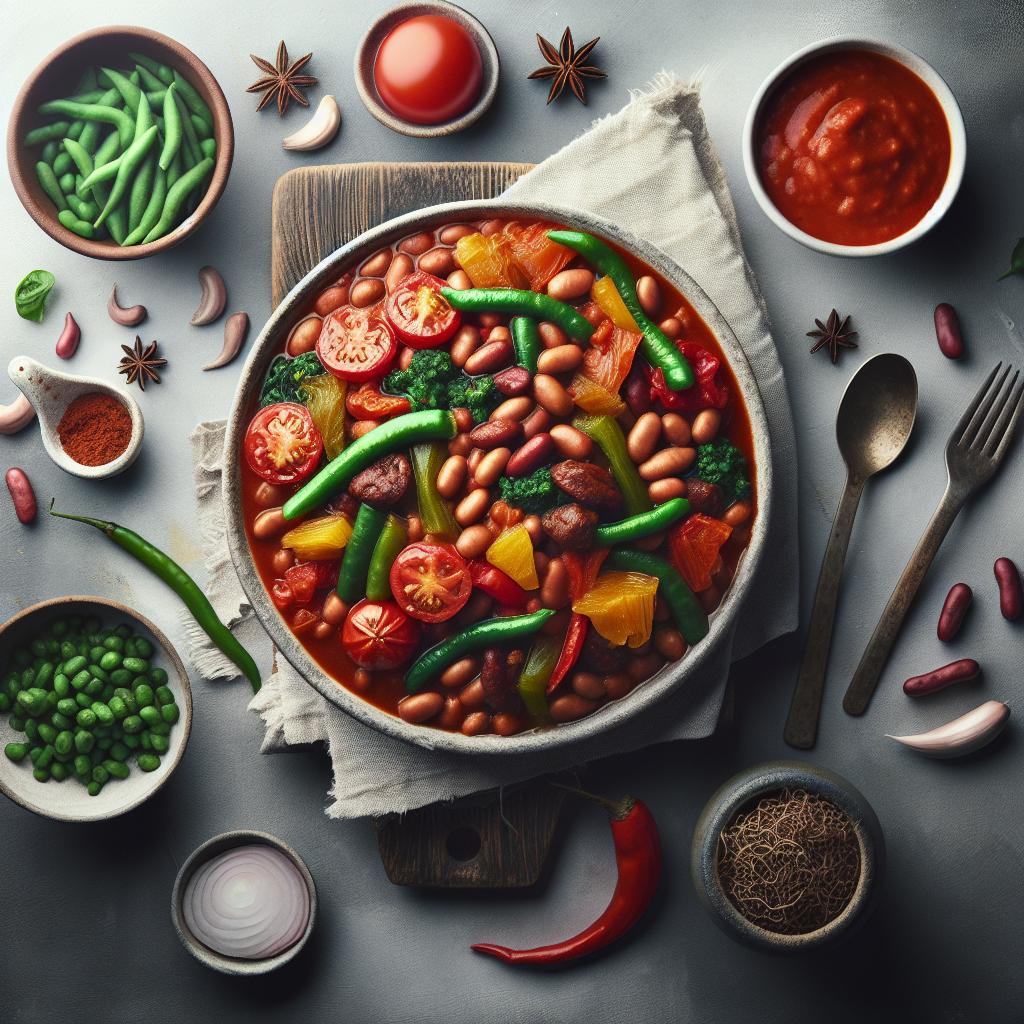

In the vibrant tapestry of Ghanaian cuisine, one dish stands out with its rich hues and hearty flavors-Red Red. More than just a meal, this beloved bean stew is a culinary story etched in the hearts of many, symbolizing tradition, community, and comfort. From its deep red palm oil-infused essence to the tender black-eyed peas that soak up every drop, Red Red is a celebration of simplicity and soulfulness on a plate. Join us as we unveil the secrets behind Ghana’s cherished bean stew, exploring its origins, cultural significance, and the reasons why it continues to captivate taste buds both at home and across the globe.
Exploring the Richness of Red Red: Unlocking Its Texture and Flavor Balance
Red Red Revelations invite you into the soul of Ghanaian culinary heritage through this beloved bean stew. With its vibrant color and layered taste, this dish embodies a fusion of tradition and artistry that captivates both the palate and the spirit. Originating from coastal and urban communities, Red Red thrives on the harmonious balance between creamy black-eyed peas and rich palm oil, enhanced by spices that awaken the senses.
Prep and Cook Time
- Preparation: 20 minutes
- Cooking: 45 minutes
- Total Time: 1 hour 5 minutes
Yield
Serves 4 hearty portions
Difficulty Level
Medium – Perfect for cooks comfortable with layering flavors and mastering stovetop control.
Ingredients
- 2 cups dried black-eyed peas, soaked overnight and drained
- 5 cups water for cooking beans
- 1/2 cup palm oil (substitute with red palm oil for authenticity)
- 1 large onion, finely chopped
- 3 cloves garlic, minced
- 1 teaspoon grated fresh ginger
- 2 medium tomatoes, chopped
- 1 tablespoon tomato paste
- 1 Scotch bonnet pepper (adjust to taste), finely sliced
- 1 teaspoon smoked paprika
- 1 teaspoon dried thyme
- Salt and freshly ground black pepper to taste
- 1 cup coconut milk (optional for creamier texture)
- 1 cup fried plantains, for serving alongside
Instructions
- Prepare the beans: Drain your soaked black-eyed peas. In a large pot, cover with 5 cups of fresh water. Bring to a boil, then simmer gently for 30-40 minutes until the beans are just tender but intact. Drain and set aside.
- Heat the palm oil: In a heavy-bottomed pot, warm the palm oil over medium heat until shimmering. This rich oil will infuse your stew with its signature color and depth.
- Sauté aromatics: Add the chopped onions and sauté until translucent, about 5 minutes. Stir in garlic and ginger, cooking for an additional 2 minutes until fragrant.
- Add tomatoes and spices: Stir in chopped tomatoes, tomato paste, Scotch bonnet, smoked paprika, and thyme. Cook, stirring occasionally, until tomatoes break down and the mixture thickens, approximately 10 minutes.
- Combine beans and stew base: Gently fold in drained beans and mix to coat them thoroughly with the fragrant base. Simmer for 10 minutes, allowing flavors to meld perfectly.
- Adjust texture and seasoning: For a luscious finish, stir in coconut milk and simmer for 5 more minutes. Season with salt and freshly ground black pepper to balance the heat and sweetness.
- Final touch: Remove from heat and let sit for a few minutes before serving. This resting allows the thick stew to develop a creamy, almost buttery consistency characteristic of authentic Red Red.
Chef’s Tips and Tricks for Perfecting Your Red Red
- Texture matters: Aim to cook beans until tender but not mushy. Overcooking loses the bite, undercooking disrupts the stew’s harmony.
- Oil quality: Red palm oil is essential for authentic flavor and color; its smoky sweetness defines the dish.
- Heat control: Adjust Scotch bonnet peppers carefully-start mild to avoid overpowering the stew.
- Make ahead: Red Red flavors deepen overnight, making it an ideal candidate for meal prepping.
- Modern twist: Add a splash of smoked coconut water or finish with fresh chopped cilantro for a fresh dimension.
Serving Suggestions
Traditionally served with golden fried plantains, Red Red pairs beautifully with warm rice or soft, crusty bread to soak up every flavorful drop. Garnish with fresh slices of chili or a sprinkle of chopped green onions for color and bite. For a festive touch, add a side of crunchy vegetable salad dressed in tangy lime vinaigrette.
| Nutrient | Per Serving |
|---|---|
| Calories | 350 kcal |
| Protein | 15 g |
| Carbohydrates | 40 g |
| Fat | 15 g |

For a deeper dive into Ghana’s incredible culinary landscape, explore our related article on Ghanaian Jollof Rice. To understand the cultural roots of palm oil, check this comprehensive resource by Britannica.
Q&A
Q&A: Red Red Revelations: Unveiling Ghana’s Beloved Bean Stew
Q1: What exactly is Red Red?
A1: Red Red is a vibrant, comforting Ghanaian bean stew named after its rich red color-derived from the luscious palm oil and ripe red tomatoes simmered to perfection. It’s a hearty dish centered around black-eyed peas, often served with fried plantains, making it both visually striking and deeply satisfying.
Q2: Why is Red Red so beloved in Ghana?
A2: Beyond its bold flavors, Red Red holds cultural significance as a symbol of home-cooked love and communal gatherings. It is affordable, nourishing, and adaptable, making it a daily staple and festive favorite alike. For many Ghanaians, Red Red evokes memories of family, tradition, and the warmth of shared meals.
Q3: What are the core ingredients that give Red Red its signature taste?
A3: The magic lies in the combination of black-eyed peas, palm oil, tomatoes, onions, and a blend of spices such as ginger, garlic, and chili peppers. The secret is slow-cooking these all together until the oil rises to the surface, giving the stew its characteristic “red red” sheen.
Q4: How does Red Red reflect Ghana’s culinary identity?
A4: Red Red is a magnificent example of West African taste and resourcefulness. It celebrates indigenous ingredients like palm oil and black-eyed peas while embracing simplicity and robust flavors. It’s at once humble and majestic, embodying Ghana’s rich agricultural heritage and vibrant food culture.
Q5: Can Red Red be adapted for vegetarian or vegan diets?
A5: Absolutely! Traditional Red Red is naturally vegan, relying on plant-based ingredients. However, variations often include salted fish or eggs for added depth. For a purely vegan experience, sticking to the classic components delivers a protein-rich, flavorful meal that’s both wholesome and ethical.
Q6: What’s the best way to enjoy Red Red?
A6: Red Red shines when paired with crispy fried plantains, white rice, or gari (grated cassava flakes). These accompaniments soak up the stew’s rich flavors and add complementary textures. Whether served for breakfast, lunch, or dinner, it’s always a dish that invites relaxation and celebration.
Q7: How has Red Red evolved over time?
A7: While rooted in longstanding traditions, Red Red has journeyed beyond Ghana’s borders, inspiring global reinterpretations. Chefs worldwide experiment with its core elements, infusing it with new spices or pairing it with unconventional sides-yet the essence remains the same: a hearty, red-hued celebration of beans and palm oil.
Concluding Remarks
As the fragrant aroma of tomatoes, spices, and tender beans lingers in the air, Red Red emerges not just as a stew but as a vibrant tapestry of Ghanaian heritage and culinary artistry. This beloved dish, with its rich history and hearty flavors, invites us to savor more than a meal-it invites us to experience a culture, a community, and a tradition simmering in every pot. Whether shared at a bustling market stall or enjoyed in a quiet home kitchen, Red Red remains a delicious revelation, reminding us that food is a powerful storyteller, forever connecting past and present in a single, soulful bite.