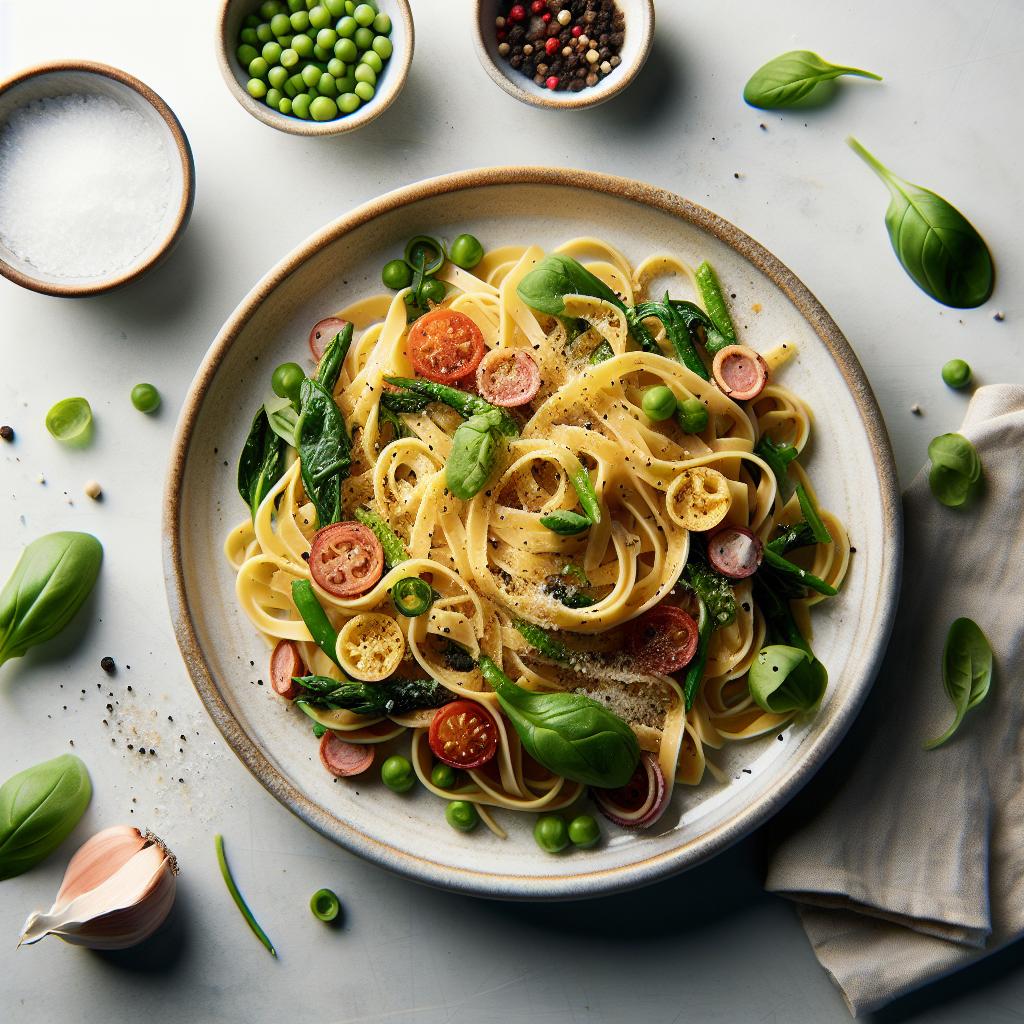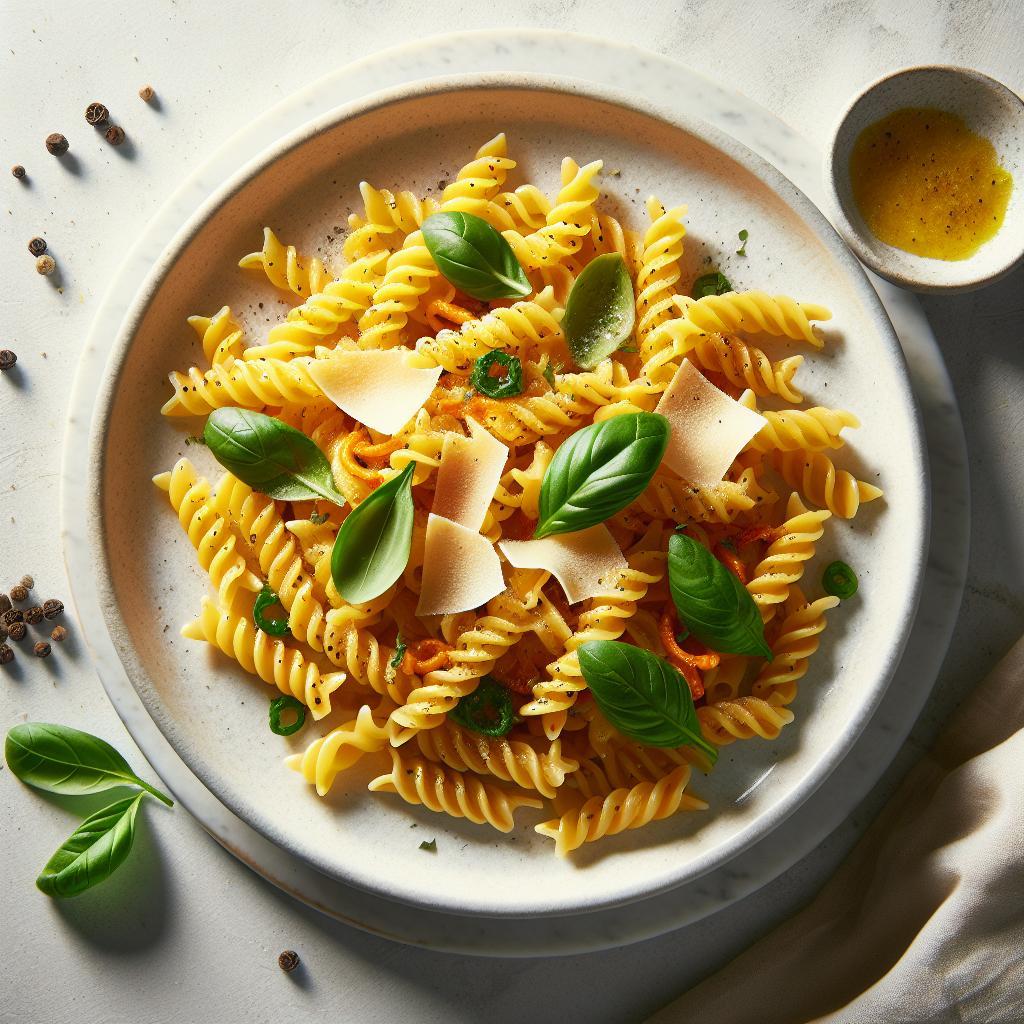

In the vast, comforting world of Italian cuisine, few dishes embody simplicity and elegance quite like cacio e pepe. This humble pasta-hinging on just three ingredients: Pecorino Romano, black pepper, and spaghetti-has long been a testament to culinary minimalism. But what happens when tradition meets innovation? Enter Cacio e Pepe Reimagined: Classic Pasta with Zesty Flair, where the timeless flavors you love are awakened with unexpected twists, vibrant ingredients, and a touch of modern zest. Join us as we journey beyond the basics, transforming a centuries-old recipe into a dazzling dish that delights both the palate and the imagination.
Cacio e Pepe Reimagined: Classic Pasta with Zesty Flair
Cacio e Pepe Reimagined brings a fresh burst of flavor to the beloved Roman classic by incorporating bright, bold ingredients that awaken the senses while preserving the heart of this simple pasta dish. Originating from the shepherds who needed minimal ingredients, this reinvented version elevates tradition with zesty lemon zest, roasted peppercorns, and a luscious dairy-free creamy sauce that feels indulgent without heavy cream. The magic lies in mastering the balance-delivering a vibrant punch of peppery heat intertwined with the deep umami of aged Pecorino, all coated on perfectly al dente pasta.
Prep and Cook Time
- Preparation: 15 minutes
- Cooking: 15 minutes
- Total Time: 30 minutes
Yield
- Serves 4 generous portions
Difficulty Level
- Medium – requires attention to emulsifying sauce and timing
Ingredients
- 12 oz spaghetti or tonnarelli pasta
- 1 ½ cups finely grated Pecorino Romano cheese
- 1 tbsp whole black peppercorns, freshly cracked and lightly toasted
- 1 tbsp extra-virgin olive oil
- 1 tbsp fresh lemon zest (about 1 lemon)
- ¾ cup reserved pasta water (hot)
- 2 tbsp unsalted butter or vegan butter substitute
- 1 small garlic clove, gently crushed
- Pinch of sea salt, to taste
Instructions
- Bring a large pot of salted water to a boil. Cook the pasta until just shy of al dente, about 1-2 minutes less than package directions. Reserve ¾ cup of the pasta cooking water before draining.
- Toast the cracked peppercorns in a dry skillet over medium heat for 1-2 minutes until fragrant, stirring constantly to avoid burning. Transfer to a small bowl and set aside.
- In the same skillet, warm olive oil over medium-low heat. Add the crushed garlic and sauté gently until golden and aromatic, about 2 minutes. Remove and discard the garlic to prevent bitterness.
- Reduce heat to low, add butter, then pour in the reserved hot pasta water. Whisk vigorously to begin forming a velvety emulsion, a perfect base for the cheese.
- Working quickly, add half of the grated Pecorino slowly while whisking to form a smooth, creamy sauce. Avoid lumps by adding cheese gradually and stirring continuously.
- Add the drained pasta directly into the skillet, tossing gently to coat every strand in the peppery sauce. If too thick, add more pasta water one tablespoon at a time until glossy with a beautiful cling.
- Sprinkle in the toasted cracked pepper and lemon zest, folding gently to infuse zing and bright spice evenly throughout the pasta.
- Serve immediately in warmed shallow bowls, topped with the remaining Pecorino and an extra drizzle of olive oil for sheen and richness.
Tips for Success: Expert Guidance to Perfect Your Creation
- Use freshly cracked peppercorns and toast them lightly to unlock their full flavor potential without overwhelming the dish.
- Reserve plenty of pasta water: This starchy liquid is your secret to a creamy, luscious sauce that coats pasta beautifully without cream.
- Incorporate cheese gradually, stirring constantly to prevent clumps and ensure a smooth texture.
- Lemon zest adds vibrant freshness: Use freshly grated zest only-avoid bottled lemon zest for the best aroma and flavor.
- Substitute vegan butter and a hard vegan cheese alternative if dairy-free, adjusting liquid to maintain sauce consistency.
- If your sauce breaks, add a splash more hot pasta water and whisk vigorously off heat to bring it back together.
- Prepare the sauce just before tossing pasta to serve it at its creamiest peak.
Serving Suggestions
For an elevated presentation, plate the pasta in wide shallow bowls, allowing the pepper and lemon zests to shine visually. Garnish with microgreens or finely chopped fresh parsley to add color contrast and a subtle herbal brightness. A light drizzle of high-quality extra virgin olive oil gives a glossy finish that’s irresistible. Pair with a crisp white wine such as Pinot Grigio or a sparkling water with a lemon wedge to complement the zesty notes.
| Nutrient | Per Serving |
|---|---|
| Calories | 490 kcal |
| Protein | 22 g |
| Carbohydrates | 60 g |
| Fat | 15 g |

Explore more inspired pasta recipes in our Ultimate Italian Pasta Guide and deepen your culinary repertoire. For fascinating insights about Pecorino Romano and traditional Italian cheeses, visit Serious Eats.
Q&A
Q&A: Cacio e Pepe Reimagined – Classic Pasta with Zesty Flair
Q1: What is Cacio e Pepe, and why is it considered a classic?
A1: Cacio e Pepe translates to “cheese and pepper” in Italian. It’s one of Italy’s simplest, yet most iconic pasta dishes, known for its creamy texture and bold black pepper bite. Traditionally made with just pasta, Pecorino Romano cheese, black pepper, and pasta water, it perfectly showcases how minimal ingredients can create magnificent flavors.
Q2: What inspired the “reimagined” version of Cacio e Pepe?
A2: While the original dish is a timeless treasure, culinary creativity beckons us to explore new dimensions. The reimagined version introduces zesty elements-like citrus zest, chili flakes, or fresh herbs-that elevate the traditional recipe, adding bright, unexpected notes without overshadowing its soulful roots.
Q3: How do you maintain the silky texture of classic Cacio e Pepe while adding new flavors?
A3: The secret lies in the emulsification process. You start by mixing finely grated Pecorino Romano with hot pasta water to create a creamy sauce. When incorporating zesty additions, it’s crucial to fold them in at the end, ensuring the sauce remains luscious and coats each strand perfectly without breaking or clumping.
Q4: What are some popular “zesty” twists to try in this reimagined Cacio e Pepe?
A4: Bright twists like lemon or orange zest introduce a fragrant citrus pop, while a hint of chili flakes adds a thrilling heat. Fresh herbs like basil or parsley bring a refreshing green note. Some chefs also experiment with garlic-infused olive oil or a splash of white wine to deepen the flavor complexity.
Q5: Can these innovative additions change the pairing suggestions for Cacio e Pepe?
A5: Absolutely! Traditional Cacio e Pepe pairs beautifully with crisp, mineral-driven white wines like Verdicchio or Pinot Grigio. When zestier ingredients enter the mix, you might explore more aromatic whites with citrus or herbal profiles-think Sauvignon Blanc or even a light, slightly chilled rosé to balance the punchy flavors.
Q6: Is this reimagined version suitable for everyday cooking?
A6: Definitely! Despite its gourmet flair, the recipe keeps the spirit of accessibility intact. It uses pantry staples and embraces quick preparation, making it an ideal weeknight dish that delivers an exciting twist on a beloved comfort food.
Q7: How can home cooks experiment with their own “zesty flair” in Cacio e Pepe?
A7: Start with the classic foundation, then gradually introduce zest-literally! Try experimenting with different citrus fruits, spice levels, or finishing oils. Don’t hesitate to mix textures by adding toasted breadcrumbs or nuts for crunch. The key is to balance innovation with respect for the integrity of the original dish.
Q8: Any final tips for mastering Cacio e Pepe with a twist?
A8: Patience and attention to detail are paramount. Use freshly grated Pecorino for maximum flavor, season water generously, and toss pasta vigorously while adding cheese-water mixture to achieve a creamy sauce. Add zesty ingredients thoughtfully-too much can overpower, but just enough adds delightful surprise. Above all, have fun and savor the creative journey!
The Conclusion
As you twirl your fork through this zesty reimagining of Cacio e Pepe, remember that great tradition need not be confined to the past. By embracing bold flavors and a touch of inventive flair, this classic Roman pasta transforms into a vibrant celebration of taste-proof that culinary heritage can evolve without losing its soul. So next time you crave simplicity with a spark, let this revitalized Cacio e Pepe take center stage, inspiring your palate and reminding you that sometimes, the freshest ideas emerge from the most timeless recipes.