
In a world where vibrant flavors and wholesome ingredients reign supreme, the roasted vegetable bowl emerges as a culinary masterpiece-each bite a symphony of textures, colors, and aromas. “Savor the Flavor: Ultimate Guide to Roasted Vegetable Bowls” invites you on a delicious journey through the art of transforming humble veggies into crave-worthy creations. Whether you’re a seasoned kitchen adventurer or a curious novice, this guide will unlock the secrets to roasting, seasoning, and assembling bowls that not only nourish your body but also delight your senses. Get ready to embrace warmth, health, and flavor in a bowl that’s as beautiful as it is satisfying.
Savor the Flavor: Ultimate Guide to Roasted Vegetable Bowls
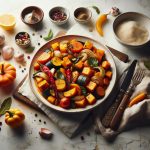
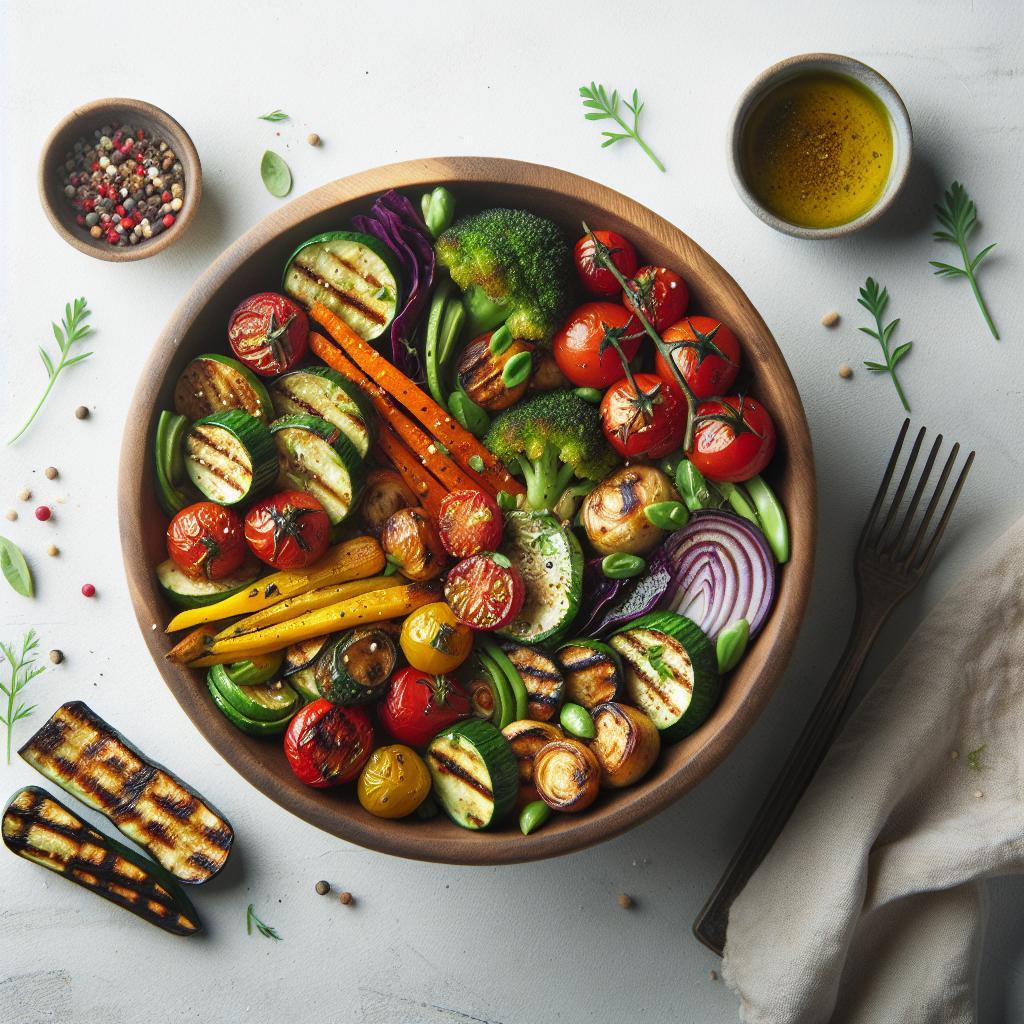
Savor the flavor when crafting vibrant roasted vegetable bowls that deliver both nutrition and mouthwatering taste in every bite. By thoughtfully choosing a medley of fresh, seasonal vegetables and applying expert roasting techniques, you can transform simple produce into a luscious foundation for your meals. Each caramelized edge and tender interior tells a story of technique and passion, bringing a feast of textures and colors to your plate.
Prep and Cook Time
- Preparation Time: 20 minutes
- Roasting Time: 30-40 minutes
- Total Time: 50-60 minutes
Yield
Serves 4 generous bowls
Difficulty Level
Easy – perfect for home cooks and culinary enthusiasts alike
Ingredients
- 2 cups broccoli florets, medium-sized
- 2 large carrots, peeled and cut into 1-inch sticks
- 1 medium sweet potato, diced into 1-inch cubes
- 1 red bell pepper, seeded and sliced
- 1 small red onion, peeled and quartered
- 1 cup Brussels sprouts, halved
- 3 tbsp extra virgin olive oil
- 1 tsp smoked paprika
- 1 tsp garlic powder
- 1/2 tsp ground cumin
- Salt and freshly ground black pepper, to taste
- 1 tbsp fresh thyme leaves (optional)
Instructions
- Preheat your oven to 425°F (220°C). Line a large baking sheet with parchment paper to avoid sticking and ease cleanup.
- Prepare the vegetables: Ensure they are uniformly cut for even cooking. Toss them in a large bowl with olive oil, smoked paprika, garlic powder, cumin, salt, and pepper. Use your hands to coat each piece thoroughly for balanced flavor.
- Arrange the vegetables in a single layer on the baking sheet, leaving space between them to allow hot air circulation, which is crucial to achieving those coveted crispy edges.
- Roast for 20 minutes, then carefully remove the tray and flip the vegetables with a spatula for even browning. Sprinkle fresh thyme leaves over the top now if using.
- Continue roasting for another 10-15 minutes until golden and tender. Watch closely toward the end to prevent burning, especially on smaller pieces like Brussels sprouts.
- Remove from oven and let rest for 5 minutes before assembling your bowl. This step lets the flavors meld and juices redistribute.
Tips for Success
- For extra crunch: Use high heat and avoid overcrowding your pan to ensure dry heat crisps instead of steaming your vegetables.
- Variations: Swap out sweet potato with butternut squash or zucchini for seasonal variety and diverse nutrients.
- Make-ahead: Roast vegetables up to 2 days in advance and gently reheat in the oven or a skillet to retain texture.
- Substitutions: Use avocado oil or grapeseed oil if you prefer a neutral oil with a high smoke point.
- Flavor boost: Drizzle fresh lemon juice or a tangy tahini dressing just before serving to brighten the bowl.
Serving Suggestions
Layer your roasted vegetables over a base of fluffy quinoa, brown rice, or creamy mashed chickpeas. Add a scattering of toasted pumpkin seeds or crushed pistachios for an irresistible crunch. Garnish with fresh herbs like parsley, cilantro, or a few sprigs of dill for freshness. A drizzle of zesty chimichurri or a vibrant herb sauce will elevate the flavors and create a bowl that is as visually stunning as it is nourishing.

| Nutrition per Serving | Amount |
|---|---|
| Calories | 180 kcal |
| Protein | 5 g |
| Carbohydrates | 28 g |
| Fat | 7 g |
Unlock the full potential of your roasted vegetable bowls by exploring more plant-powered bowl recipes for endless variety. For detailed insights on how roasting enhances nutrition, the Healthline guide to roasting vegetables is an excellent resource.
Q&A
Q&A: Savor the Flavor – Ultimate Guide to Roasted Vegetable Bowls
Q1: What makes roasted vegetable bowls so special compared to other meal options?
A1: Roasted vegetable bowls are a vibrant celebration of nature’s bounty, combining crispy edges with tender, caramelized centers. The roasting process intensifies flavors, bringing out a smoky, sweet, and savory symphony that’s both satisfying and nourishing. Plus, these bowls are endlessly customizable, making each one a personal palette of taste and texture.
Q2: Which vegetables are best for roasting to create a delicious bowl?
A2: Root vegetables like sweet potatoes, carrots, and beets shine with their natural sweetness when roasted. Cruciferous veggies such as Brussels sprouts and cauliflower develop a wonderful nuttiness. Bell peppers, zucchini, and mushrooms add juiciness and earthiness. The key is selecting firm veggies that become tender but don’t turn mushy – the perfect canvas for your flavor masterpiece.
Q3: How do you achieve the perfect roast-crispy edges with tender insides?
A3: The magic lies in balancing heat and time. Roast at a high temperature, around 400°F (200°C), to ensure caramelization without drying out. Cut veggies into uniform pieces for even cooking and space them out on the baking sheet to avoid steaming. Tossing them with olive oil and a pinch of salt helps create that irresistible crispy texture.
Q4: Can roasted vegetable bowls be made ahead or meal-prepped?
A4: Absolutely! Roasted veggie bowls improve with time as flavors meld and deepen. Roast your vegetables in advance, store them in airtight containers, and reheat gently to preserve texture. Keep dressings or sauces separate until serving to maintain freshness and vibrancy. Meal-prepping these bowls is a total game-changer for busy weeks.
Q5: What are some creative toppings and sauces to elevate roasted vegetable bowls?
A5: Think beyond basic drizzle. Tahini blends, zesty chimichurri, or a tangy yogurt-cilantro sauce can add layers of complexity. Crunchy toppings like toasted nuts, seeds, or crispy chickpeas offer delightful contrast. Fresh herbs-basil, mint, or parsley-bring brightness. And a sprinkle of nutritional yeast or crumbled feta can add an umami or creamy punch.
Q6: How can roasted vegetable bowls cater to different dietary preferences or restrictions?
A6: These bowls are a canvas fit for all. Gluten-free? Perfect as-is. Vegan or vegetarian? Roasted veggies plus grains and legumes create a balanced, protein-packed meal. Keto-friendly? Focus on low-carb veggies and add healthy fats like avocado or nuts. Just swap or exclude ingredients based on preference, and you have a delightful, adaptable dish every time.
Q7: What’s a foolproof grain base to pair with roasted vegetables?
A7: Nutty quinoa, fluffy farro, or hearty brown rice provide a satisfying foundation. Each adds distinct texture and flavor that complements roasted veggies beautifully. For a lighter touch, try cauliflower rice or mixed greens. The grain base not only boosts sustenance but also turns your bowl into a complete, balanced feast.
Q8: Any tips for making roasted vegetable bowls kid-friendly?
A8: Keep colors bright and flavors familiar-sweet roasted carrots or tender butternut squash are usually big hits. Pair with creamy dips like hummus or ranch dressing for fun dipping options. Let kids help choose veggies or assemble their own bowls, making the meal interactive and exciting. Roasting veggies with a mild seasoning can win over even picky eaters.
Q9: How do seasonal changes influence the ingredients for roasted vegetable bowls?
A9: Seasonal veggies bring freshness and flavor that’s naturally in sync with the time of year. In spring, asparagus and radishes might star, while fall invites squash and chestnuts to the lineup. Adapting your bowls with the seasons not only supports local growers but also keeps your meals vibrant and full of variety.
Q10: Why should everyone include roasted vegetable bowls in their weekly meal rotation?
A10: They’re delicious, nutritious, and effortlessly versatile. Roasted vegetable bowls offer a balanced combination of fiber, vitamins, and minerals while tickling taste buds with complex, roasted flavors. They’re a joy to eat, easy to prepare, and suited for any lifestyle-making them a perfect go-to for anyone seeking wholesome, crave-worthy meals.
Wrapping Up
As you embark on your roasted vegetable bowl adventures, remember that the true magic lies in the harmony of textures, colors, and flavors coming together in every bite. Whether you’re a seasoned chef or a curious foodie, these bowls offer endless possibilities to savor the vibrant essence of nature’s bounty. So next time you crave a meal that’s as nourishing as it is delicious, let your oven work its roasting charm and create a masterpiece that’s uniquely yours. Here’s to eating well, feeling good, and savoring every flavorful forkful-one roasted vegetable bowl at a time.