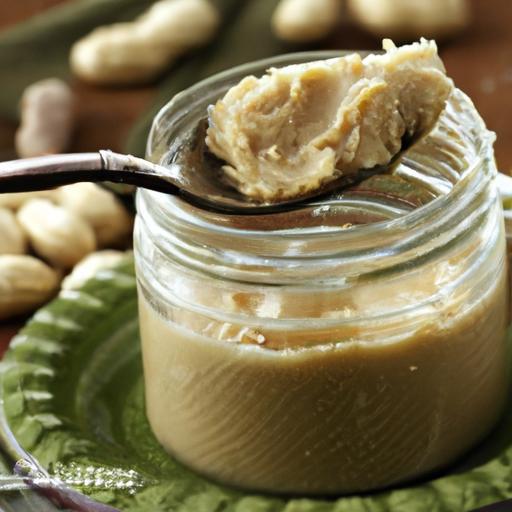

When you think of rich, creamy spreads, nut butters like peanut and almond often take center stage. But what if you’re looking to explore beyond the usual crunch or need a nut-free alternative that doesn’t compromise on flavor? Enter the world of nut-free butters-a delicious, allergy-friendly universe brimming with innovative options that cater to every palate. From seeds to legumes and even unexpected ingredients, these spreads are redefining what it means to enjoy buttery goodness. Join us as we dive into the top tasty nut-free butters you absolutely must try today, proving that sometimes the best things come in unexpected jars.
Exploring the Creamy World of Seed and Legume Butters: Nutritional Powerhouses Among Nut-Free Spreads
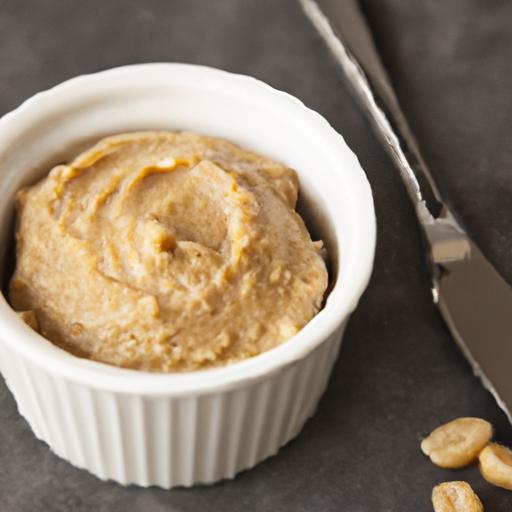
Beyond nuts, seed and legume butters unlock a vibrant world of creamy, nutritious spreads that elevate your culinary creations. Whether you’re avoiding nuts due to allergies or simply craving variety, these rich, smooth butters crafted from seeds like sunflower, pumpkin, and legumes such as chickpeas, offer not only unique flavors but impressive health benefits. From ancient traditions to modern kitchens, these spreads have long been cherished for their wholesome goodness and versatility.
How to Choose the Perfect Nut-Free Butter for Your Recipes
Selecting the ideal nut-free butter involves considering flavor profiles, texture, and nutrition. For a subtle earthy taste, try pumpkin seed butter, perfect for smooth desserts or savory dips. Sunflower seed butter lends a mild, slightly sweet note ideal for sandwiches and baking. Meanwhile, chickpea butter is creamy and neutral, superb in hummus variations or as a protein-packed base in sauces. Always look for butters with minimal additives to enjoy the pure seed or legume essence enhanced with just a pinch of sea salt or a touch of natural sweetener.
Top Recommended Brands for Delicious Nut-Free Butters
Quality matters when embracing the rich flavors of nut-free butters. Brands like SunButter specialize in sunflower seed butters that are perfect for allergy-sensitive households. Artisana offers cold-pressed blends that retain freshness and nutrients. For truly artisanal experiences, local producers often craft small-batch pumpkin seed butters with a robust, nutty depth. Whichever you choose, these brands maintain a focus on purity, sustainability, and delivering an indulgent, creamy texture.
Seed and Legume Butter Recipe: Creamy Chickpea Spread Delight
Prep and Cook Time: 10 minutes prep, 0 minutes cook
Yield: About 1 cup of spread (serves 4)
Difficulty Level: Easy
Ingredients
- 1 cup cooked chickpeas, drained and rinsed
- 3 tbsp tahini (sesame seed paste)
- 2 tbsp extra virgin olive oil
- 1 tbsp lemon juice, freshly squeezed
- 1 garlic clove, minced
- 1/2 tsp ground cumin
- 1/4 tsp smoked paprika
- Salt to taste (start with 1/4 tsp)
- 2-3 tbsp filtered water (to adjust consistency)
Instructions
- Prepare the base: In a food processor, combine the chickpeas, tahini, olive oil, lemon juice, and garlic. Pulse gently to begin blending the ingredients.
- Season to perfection: Add cumin, smoked paprika, and salt. Blend continuously until smooth, scraping down the sides to ensure an even texture.
- Adjust the texture: Gradually pour filtered water, one tablespoon at a time, blending until you reach a velvety spread consistency-neither too thick nor too runny.
- Taste and tweak: Pause to taste, adjusting seasoning or lemon juice for brightness. A little extra lemon can bring an uplifting acidity that perfectly balances creamy richness.
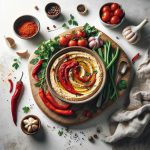
- Serve or store: Transfer to a serving dish, drizzle a bit of olive oil over the top, and sprinkle with extra smoked paprika or fresh herbs such as parsley or chives for an inviting finish.
Tips for Success
- Use fresh chickpeas for a more vibrant flavor and creamier texture than canned varieties.
- For a nut-free twist on classic hummus, substitute tahini with sunflower seed butter.
- If the spread is too thick, warm water works better to loosen it gently without dulling flavor.
- Make ahead and refrigerate up to 3 days; bring to room temperature before serving for best creaminess.
- Experiment by adding roasted red peppers or caramelized onions to deepen flavor profiles.
Serving Suggestions
Enjoy this chickpea seed butter spread on crusty artisan bread or crisp vegetable sticks for a wholesome snack. Top flatbreads with dollops alongside roasted veggies for a quick meal, or swirl into grain bowls for added protein and a luxurious mouthfeel. Garnishing with toasted seeds or a sprinkle of dukkah will introduce delightful texture contrast, making every bite a celebration of nut-free creativity.

| Nutrition (per serving) | Amount |
|---|---|
| Calories | 130 kcal |
| Protein | 5 g |
| Carbohydrates | 12 g |
| Fat | 7 g |
Discover other creative applications for nut-free butters in our nut-free dips and spreads collection and deepen your culinary exploration. For more on the health benefits of legumes, visit Healthline’s detailed guide. Embrace the wholesome richness of seed and legume butters to lift your recipes beyond the ordinary.
Q&A
Q&A: Beyond Nuts – Top Tasty Nut-Free Butters to Try Today
Q1: Why should I consider nut-free butters when there are so many nut butters available?
A1: Nut-free butters are a fantastic alternative for those with allergies, dietary restrictions, or simply looking to diversify their palate. They offer unique flavors and nutritional benefits without the risk of nut allergens. Plus, they open the buttery universe to everyone, making snack time inclusive and exciting!
Q2: What are the most popular nut-free butters on the market right now?
A2: Some top contenders include sunflower seed butter, pumpkin seed butter, soy butter, and pea butter. Each brings its own distinct taste and texture-from the earthy richness of sunflower seed butter to the subtly sweet, creamy charm of pea butter.
Q3: How do nut-free butters compare nutritionally to traditional nut butters?
A3: Nut-free butters often pack a similar punch of protein, healthy fats, and fiber. For example, sunflower seed butter is rich in vitamin E and magnesium, while pumpkin seed butter boasts high levels of zinc and antioxidants. They can be nutrient powerhouses that support heart health, energy, and immunity.
Q4: Can I use nut-free butter in the same ways as peanut or almond butter?
A4: Absolutely! Nut-free butters are incredibly versatile. Spread them on toast, swirl into smoothies, blend into sauces, or bake with them. Their unique flavors can enhance both sweet and savory dishes, adding a delightful twist to your recipes.
Q5: Are there any taste differences I should expect?
A5: Definitely! Nut-free butters range from mildly sweet to nutty or even slightly earthy. Sunflower seed butter has a mellow, sunflower-rich taste, while soy butter’s flavor is smooth and creamy with a hint of beaniness. Exploring these varieties is a tasty adventure in itself.
Q6: Where can I buy these nut-free butters?
A6: Many health food stores and larger supermarkets carry a selection of nut-free butters today. Online retailers also offer a broad range, often including organic and specialty options. Look for brands that highlight allergy-friendly production processes for peace of mind.
Q7: Are nut-free butters safe for kids with nut allergies?
A7: Yes! Nut-free butters are generally safe for children with nut allergies but always check the label for cross-contamination warnings. Brands specializing in allergy-friendly foods often take extra precautions to ensure safety.
Q8: Can trying nut-free butters inspire new recipes?
A8: Without a doubt. Their unique flavors inspire creativity-you might whip up a sunflower seed butter smoothie bowl, use pumpkin seed butter as a salad dressing base, or create soy butter energy bites. It’s a fun way to experiment and enhance your culinary repertoire.
Q9: What’s the best way to store nut-free butters to keep them fresh?
A9: Most nut-free butters benefit from refrigeration after opening to maintain freshness and prevent oil separation. Always check the packaging for specific storage instructions.
Q10: Any quick tip for first-timers trying nut-free butters?
A10: Start by sampling small amounts to get accustomed to the flavor and texture. Mix them into familiar foods like oatmeal or yogurt to ease into the new taste, and then let your imagination run wild from there!
In Summary
As the world of butters continues to expand beyond traditional nuts, these nut-free alternatives open up a vibrant palette of flavors and textures for every palate and dietary need. Whether you’re seeking a creamy sunflower seed spread, a rich tahini twist, or an adventurous seed blend, these options prove that delicious and nutritious can come in many forms. So next time you reach for the butter, think beyond the nut – your taste buds (and your allergies) will thank you. Dive in, spread boldly, and savor the unexpected delights that await in the realm of nut-free butters.