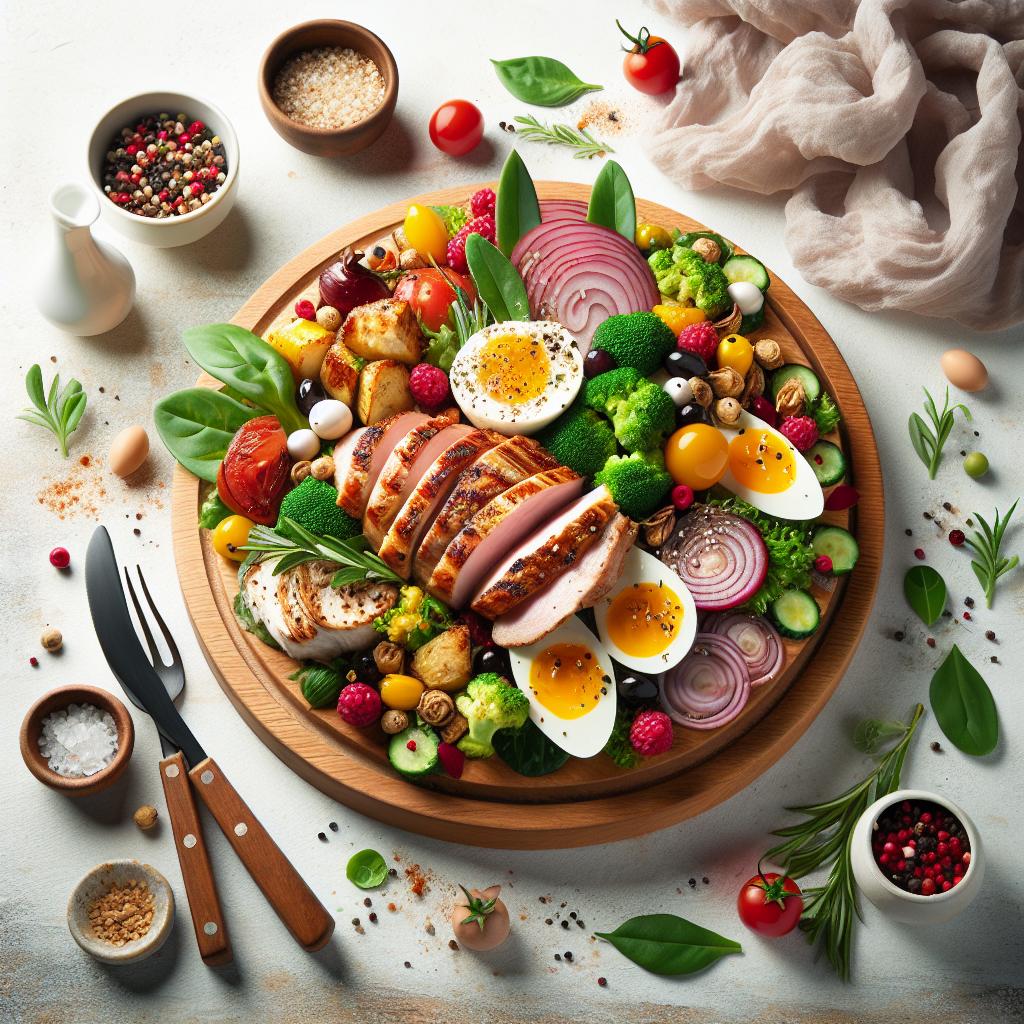

There’s an art to hosting a dinner party that leaves your guests both delighted and inspired-a delicate balance between thoughtful planning and culinary creativity. Mastering dinner party menus is your secret weapon, turning ordinary gatherings into unforgettable experiences. In this article, we’ll unveil expert tips and tantalizing ideas that transform your table into a stage where flavors, textures, and stories take center spotlight. Whether you’re aiming for casual charm or elegant sophistication, get ready to elevate your hosting game with menus designed to impress, satisfy, and spark joy around every bite.
Balancing Flavors and Textures: A Seasonal Dinner Party Menu to Impress
Mastering Dinner Party Menus begins with crafting dishes that harmonize bold flavors and diverse textures to captivate your guests’ palates. Drawing inspiration from fresh, seasonal ingredients enhances every bite, making each course not only visually stunning but irresistibly delicious. Imagine serving a delicate starter of roasted beetroot salad with tangy goat cheese and crunchy walnuts, followed by a perfectly seared duck breast glazed with a rich cherry reduction, balanced by creamy polenta and sautéed seasonal greens.
Prep and Cook Time
- Preparation: 30 minutes
- Cooking: 45 minutes
- Total Time: 1 hour 15 minutes
Yield
- Serves 6 guests
Difficulty Level
- Medium – Ideal for seasoned home cooks ready to elevate their dinner party game
Ingredients
- 6 duck breasts, skin scored
- 2 cups fresh cherries, pitted
- 1 tablespoon balsamic vinegar
- 1 tablespoon honey
- 3 cups polenta
- 4 cups vegetable broth
- 2 tablespoons unsalted butter
- 1 cup grated Parmesan cheese
- 2 cups Swiss chard or kale, chopped
- 3 cloves garlic, minced
- 2 tablespoons olive oil
- Salt and freshly ground black pepper, to taste
- 1 cup roasted walnuts, roughly chopped
- 6 oz goat cheese, crumbled
- 4 small roasted beets, sliced
- Mixed microgreens, to garnish
Instructions
- Prepare the Polenta: Bring vegetable broth to a boil. Gradually whisk in polenta and reduce heat to low. Cook, stirring frequently, until thick and creamy, about 25 minutes. Stir in butter and Parmesan cheese. Season with salt and pepper. Keep warm.
- Make Cherry Glaze: In a saucepan over medium heat, combine cherries, balsamic vinegar, and honey. Simmer until cherries break down and glaze thickens, about 12 minutes. Set aside.
- Cook Duck Breasts: Season duck breasts with salt and pepper. Heat olive oil in a skillet over medium-high heat. Place duck skin-side down and cook for 6-8 minutes until the skin is crispy and golden brown. Flip and cook for another 4-5 minutes for medium rare. Remove and rest 5 minutes before slicing.
- Sauté Greens: In the same skillet, add garlic and sauté until fragrant, about 30 seconds. Add chopped chard or kale and cook until wilted, 4-5 minutes. Season to taste.
- Assemble the Salad: Combine roasted beet slices, walnuts, goat cheese, and microgreens. Drizzle with olive oil and a splash of balsamic vinegar.
- Plate the Dish: Spoon creamy polenta onto each plate. Arrange sliced duck breast atop the polenta. Drizzle cherry glaze over the duck. Add a side of sautéed greens and the vibrant beetroot salad. Garnish with extra microgreens for a fresh finish.
Tips for Success
- Cherry Glaze: Use fresh, in-season cherries or frozen if unavailable. Adjust sweetness by balancing honey to taste.
- Duck Cooking: To ensure crispy skin, pat ducks dry and score skin without cutting into the meat.
- Make Ahead: Polenta can be prepared earlier and gently reheated with extra broth or milk for creaminess.
- Greens Variation: Substitute Swiss chard with spinach or kale based on availability and preference.
- Personal Twist: Add a hint of fresh thyme or rosemary to the cherry glaze for an herbal aroma that pairs beautifully with duck.
Serving Suggestions
Serve this elegantly layered meal on matte white plates to highlight the vibrant reds of the cherry glaze and beets. Garnish with a sprinkle of cracked black pepper and a few fresh microgreens to add height and freshness. Accompany with a light-bodied Pinot Noir or a sparkling elderflower cocktail for a refined dining experience. For dessert, keep texture contrast by pairing this meal with a silky panna cotta topped with citrus segments.

| Nutrient | Per Serving |
|---|---|
| Calories | 620 |
| Protein | 45g |
| Carbohydrates | 38g |
| Fat | 30g |
For more inspiration on integrating seasonal flavors, check out our Seasonal Cooking Tips or explore expert culinary techniques at Serious Eats.
Q&A
Q&A: Mastering Dinner Party Menus – Tips & Tasty Ideas Unveiled
Q1: Why is careful menu planning important for a successful dinner party?
A1: Think of menu planning as the blueprint to your dinner party masterpiece. It sets the tone, ensures a balanced flow of flavors, and keeps your guests satisfied and impressed. Without a well-thought-out menu, you risk kitchen chaos and culinary missteps that can overshadow the occasion.
Q2: How can I balance flavors and textures in a dinner party menu?
A2: Balance is the secret ingredient to an unforgettable meal. Aim to mix light and rich dishes, contrasting textures like creamy and crunchy, and a spectrum of flavors-from tangy and savory to sweet and spicy. This creates a dynamic dining experience that keeps guests intrigued from the first bite to the last.
Q3: What are some creative ways to accommodate dietary restrictions without sacrificing flavor?
A3: Embrace the art of substitution! Swap traditional ingredients for equally delicious alternatives-think cauliflower rice instead of regular rice, or coconut-based cream in place of dairy. Explore vibrant herbs and spices to enhance dishes naturally. When done well, accommodating dietary needs can lead to inventive star dishes everyone will love.
Q4: How many courses are ideal for a dinner party menu?
A4: Typically, three to four courses strike the perfect balance-enough variety to delight without overwhelming. Consider a light appetizer, a hearty main course, a refreshing palate cleanser if you’re feeling fancy, and a decadent dessert. Tailor based on your guests and the occasion for a rhythm that flows like a well-composed symphony.
Q5: What’s a foolproof way to time cooking and serving multiple dishes seamlessly?
A5: The magic word is “prep.” Prepare as many ingredients as possible in advance-chop veggies, marinate proteins, and even partially cook elements beforehand. Use a kitchen timer and stagger cooking times carefully. This way, you’re not rushed, and every dish hits the table piping hot and perfectly plated.
Q6: Can you suggest a sample dinner party menu that’s impressive yet approachable?
A6: Certainly! Here’s a palate-pleasing trio:
- Starter: Roasted Beet and Goat Cheese Salad with candied pecans and arugula
- Main: Herb-Crusted Chicken with a creamy mushroom sauce, paired with garlic mashed potatoes and roasted asparagus
- Dessert: Lemon Panna Cotta topped with fresh berries and a mint leaf
Each dish is straightforward to prepare but packed with flavor and texture contrasts guaranteed to wow your guests.
Q7: How do presentation and plating impact the dinner party experience?
A7: We eat first with our eyes, so presentation elevates even simple dishes to a feast for the senses. Use colorful plates, thoughtful garnishes, and neat portions. Play with height and negative space on the plate for visual intrigue. Beautiful plating amplifies the anticipation and enjoyment of every bite.
Q8: What’s a top tip for keeping guests engaged during a dinner party?
A8: Food is the catalyst for connection. Engage guests by sharing stories about the dishes or the inspiration behind your recipes. Encourage a relaxed pace between courses to allow lively conversation. A well-crafted menu paired with warm hospitality turns a meal into a memorable celebration.
With these insights, you’re ready to master your next dinner party menu-combining creativity, flavor, and flawless execution, one delicious course at a time. Bon appétit!
Key Takeaways
As the last course is cleared and the evening’s laughter lingers in the air, you’ll find that mastering dinner party menus is more than just a culinary feat-it’s an art of thoughtful planning, delightful flavors, and memorable moments. Armed with these tips and tasty ideas, you’re ready to turn any gathering into a symphony of tastes and textures that will have your guests eagerly awaiting the next invitation. So, don your apron with confidence, let creativity guide your kitchen, and remember: the perfect menu is the key to a night where every bite tells a story. Happy hosting!