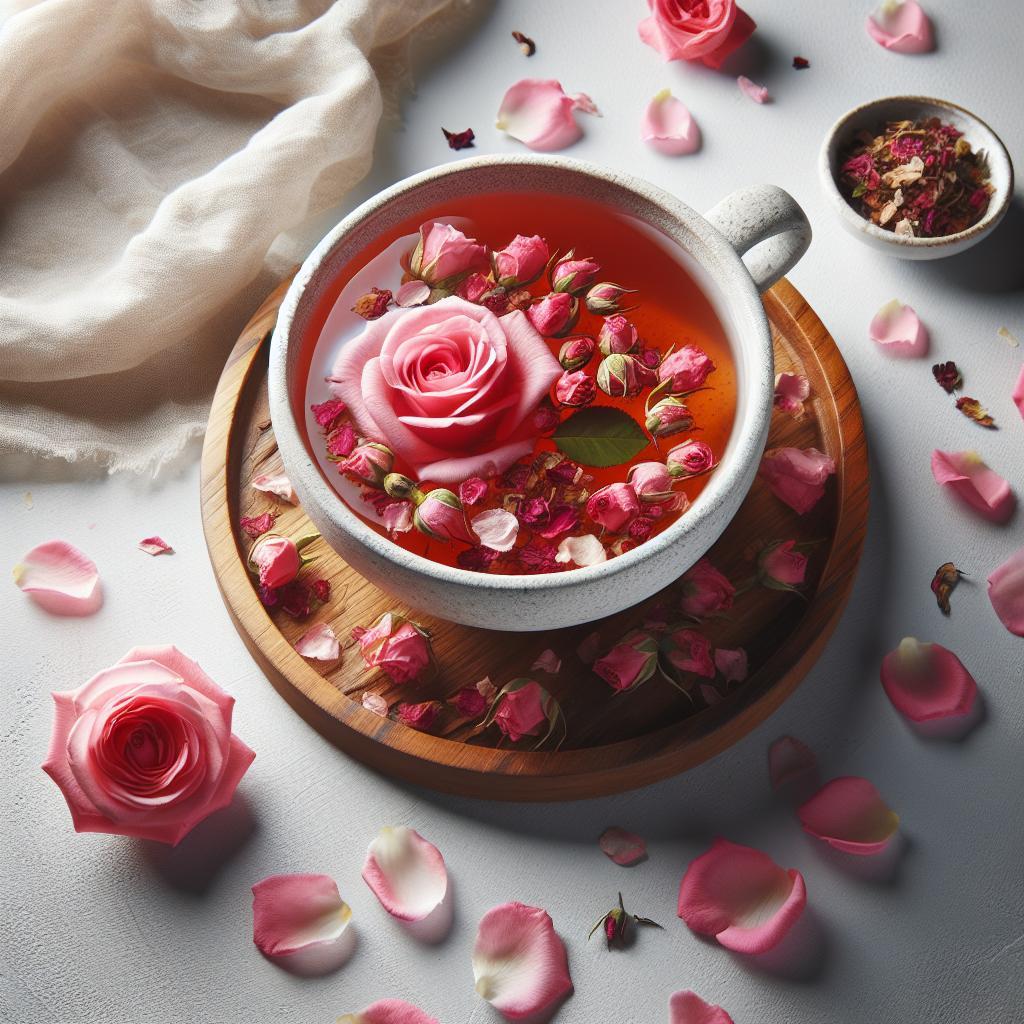

In a world that moves at a breakneck pace, finding moments of calm feels like discovering hidden treasures. Enter rose tea-a delicate infusion that whispers stories of petals kissed by dawn and ancient traditions brewed into every cup. More than just a fragrant delight, rose tea is nature’s floral elixir, promising not only a soothing sip but a journey into wellness steeped in history and health. Join us as we unravel the charm of rose tea, revealing how this gentle brew can transform your daily ritual into a serene celebration of calm and vitality.
Rose Tea Revealed: Sip Nature’s Floral Calm & Wellness
Rose tea revealed its enchanting charm to me one serene afternoon, steeped in a tiny teahouse nestled amidst verdant hills. The delicate scent, soft hue, and soothing warmth instantly transported me to a state of mindful calm and wellbeing. This floral infusion, cherished across cultures for centuries, intertwines history, health, and ritual into every sip.
Prep and Cook Time
- Preparation: 5 minutes
- Brewing: 7 minutes
- Total: 12 minutes
Yield
Serves 2 cups
Difficulty Level
Easy
Ingredients
- 2 tablespoons dried rose petals (organic, food-grade)
- 2 cups freshly boiled water
- 1 tablespoon honey (optional, for sweetness)
- 1 teaspoon dried chamomile flowers (optional, for added relaxation)
- 1 slice fresh lemon (optional, for zest)
Instructions
- Rinse the dried rose petals lightly under cool water to remove any dust or impurities, then drain well.
- Bring 2 cups of fresh water to a rolling boil. Remove from heat immediately.
- Place the rose petals and chamomile flowers (if using) in a teapot or heatproof infuser.
- Pour the hot water over the petals, cover, and let steep for 5-7 minutes to extract full flavor and beneficial compounds.
- Strain the tea into cups using a fine mesh sieve.
- Add honey to taste while the tea is warm, stirring gently to dissolve.
- Garnish each cup with a slice of fresh lemon and a few rose petals for an elegant touch and a citrus note.
Chef’s Notes & Tips for Success
- Opt for organic, food-grade rose petals to ensure purity and safety. Gardening or craft petals may contain pesticides or chemicals.
- Steeping time is crucial: over-brewing may make the tea bitter; under-brewing can result in a weak flavor. Experiment to find your preferred intensity.
- Enhance flavor with star anise, mint leaves, or cardamom for seasonal variations.
- For a chilled version, prepare as above, cool, then serve over ice with a splash of rose water.
- Prepare your tea fresh for maximum aroma and potency, but brewed tea can be refrigerated and consumed within 24 hours.
Serving Suggestions
The visual appeal of rose tea is enchanting. Serve the brew in clear glass teacups to showcase its soft pink hue. Pair with light pastries or almond biscotti for a delicate afternoon break. Add fresh edible rose petals as garnish to amplify presentation and aroma. Ideal alongside quiet meditation or yoga, this tea elevates your ritual with every sip.
| Nutrient | Per Serving (1 cup) |
|---|---|
| Calories | 20 |
| Protein | 0.2 g |
| Carbohydrates | 5 g |
| Fat | 0 g |

For further insight into the rich heritage of herbal teas and their calming properties, explore our comprehensive herbal tea guide. To deepen your understanding of rose tea’s medicinal benefits, visit the National Center for Biotechnology Information.
Q&A
Q&A: Rose Tea Revealed: Sip Nature’s Floral Calm & Wellness
Q1: What exactly is rose tea, and how is it made?
A: Rose tea is a fragrant infusion brewed from the delicate petals or buds of rose flowers. To make it, fresh or dried rose petals are steeped in hot water, releasing a subtly sweet, floral aroma that soothes the senses and warms the soul. It’s like capturing a bouquet in a cup!
Q2: Why is rose tea considered a natural calm elixir?
A: Rose tea carries natural compounds like flavonoids and polyphenols known for their calming effects on the nervous system. Its gentle floral scent and taste promote relaxation, reduce anxiety, and ease stress – turning every sip into a calming meditation moment.
Q3: What wellness benefits does rose tea offer beyond calmness?
A: Beyond tranquility, rose tea is packed with antioxidants that combat free radicals, helping to boost your immune system. It’s also celebrated for digestive support, mild detoxification, and even skin-enhancing properties – a holistic hero nurturing body and mind alike.
Q4: How does rose tea compare to traditional tea varieties?
A: Unlike black or green teas, rose tea is naturally caffeine-free, making it a gentle choice for any time of day. Its flavor is lighter, more floral, and less bitter, offering a unique, refreshing alternative that complements wellness routines effortlessly.
Q5: Are there different types of roses used for tea, and do they affect the flavor?
A: Absolutely! Varieties like Damask and Rosa rugosa are popular for their aromatic petals. Damask roses tend to offer a rich, sweet bouquet, while wild roses impart a more subtle, slightly tangy note. Choosing different roses can personalize your tea experience-think of it as floral artistry in your cup.
Q6: Can rose tea be blended with other ingredients?
A: Yes! Rose tea pairs beautifully with lavender, chamomile, mint, or a splash of honey. These blends can enhance its calming effects or add layers of flavor, creating bespoke teas that dance between soothing and invigorating.
Q7: How should rose tea be stored to preserve its freshness?
A: To keep rose petals vibrant and aromatic, store them in an airtight container away from light and moisture. This preserves their delicate oils and ensures every brew delivers that signature floral calm.
Q8: Is rose tea safe for everyone to drink?
A: Generally, rose tea is safe and gentle, but those with allergies to roses or related plants should exercise caution. Pregnant or nursing women should consult their healthcare provider before adding rose tea to their routine.
Q9: What’s the best way to enjoy rose tea for maximum benefits?
A: Sip rose tea mindfully-brew it with care, breathe in its fragrant steam, and savor each gentle swallow. Pair it with quiet moments, journaling, or relaxation practices to fully embrace the floral calm and wellness it offers.
Q10: Where can one find quality rose tea?
A: Quality rose tea can be sourced from specialty tea shops, organic markets, or trusted online vendors emphasizing organic and pesticide-free petals. Look for vibrant colors and a fresh aroma-nature’s floral calm waits in those petals.
Final Thoughts
As the last sip of rose tea warms your spirit, you’ve unlocked more than just a delightful beverage – you’ve discovered a timeless ritual steeped in nature’s gentle embrace. From its delicate petals to its subtle aroma, rose tea is a floral symphony that soothes the senses and nurtures the body. Whether seeking a moment of calm in a hectic day or a natural boost to your well-being, this fragrant infusion invites you to slow down, breathe deeply, and savor the simple elegance of wellness brewed by nature itself. So let each cup be a reminder: sometimes, the sweetest healing comes softly, one sip at a time.