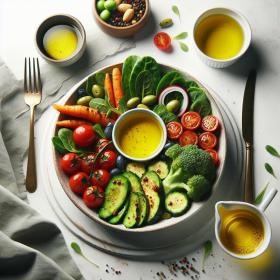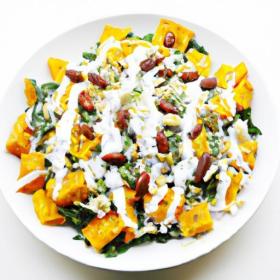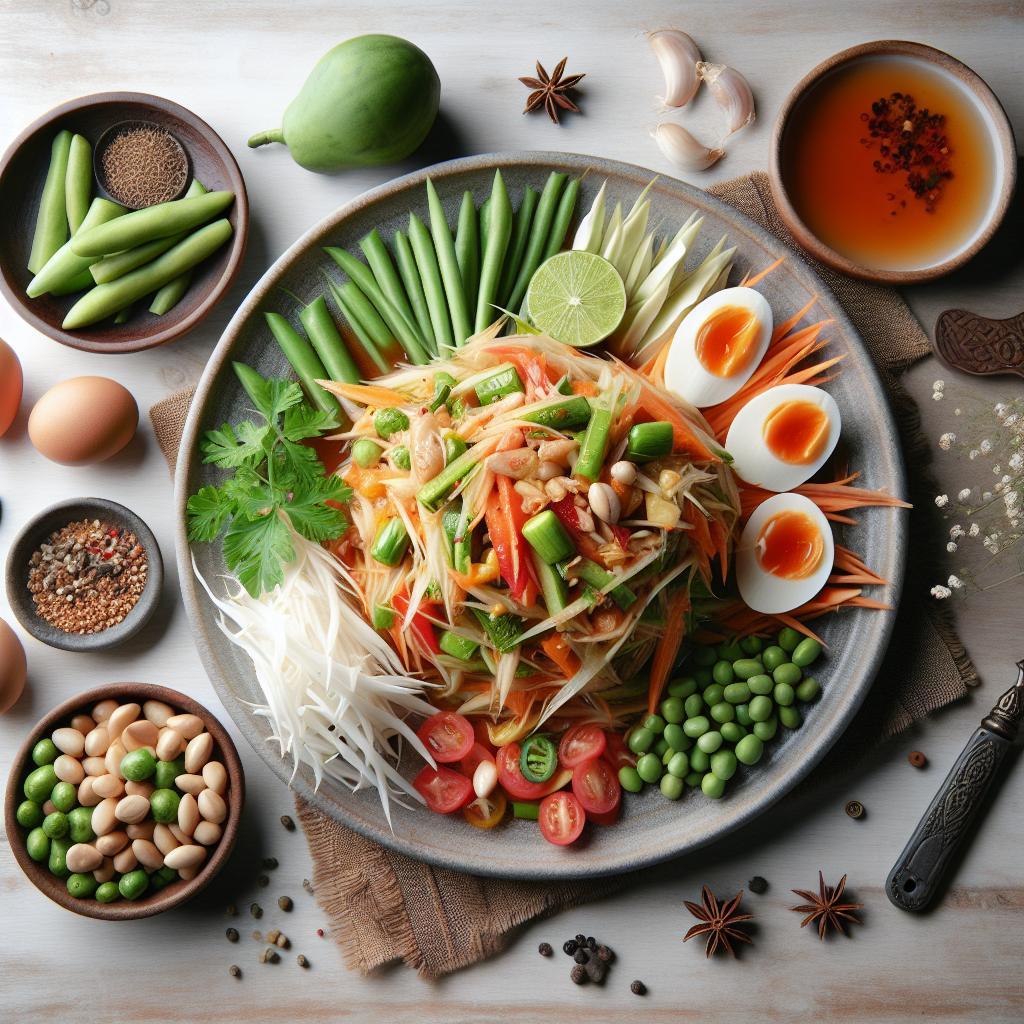

Vibrant, tangy, and irresistibly fresh-Som Tum, Thailand’s iconic green papaya salad, is more than just a dish; it’s a sensory adventure packed with bold flavors and rich cultural heritage. Behind every crunchy bite lies a careful balance of spicy chilies, zesty lime, and savory fish sauce that tells a story as colorful as the bustling streets of Bangkok. In this article, we’ll peel back the layers of Som Tum’s vibrant history, explore its secret ingredients, and reveal the techniques that elevate this humble salad into a national treasure. Prepare to awaken your palate and discover why Som Tum isn’t just food-it’s a celebration of Thailand’s zest for life.
- Exploring the Rich Heritage and Vibrant Flavors of Som Tum
- Prep and Cook Time
- Yield
- Difficulty Level
- Essential Ingredients for Authentic Som Tum
- Tools You’ll Need
- Step-by-Step Instructions to Achieve Perfect Som Tum
- Chef’s Notes and Insider Tips for Som Tum Mastery
- Serving Suggestions: Presenting Som Tum Like a Local
- Q&A
- Final Thoughts
Exploring the Rich Heritage and Vibrant Flavors of Som Tum
Som Tum Secrets: Unveiling Thailand’s Zesty Papaya Salad invites you on a culinary journey into one of Thailand’s most beloved street food treasures. Originating from the northeastern region of Isaan, this vibrant salad blends the bold freshness of green papaya with an exquisite balance of sour, spicy, salty, and sweet that embodies Thai cuisine’s essence. Historically crafted as a quick, refreshing meal for farmers and vendors, Som Tum’s cultural significance runs deep-it represents communal eating, the celebration of local produce, and a tantalizing harmony of flavors that defines Thailand’s dynamic food culture.
Prep and Cook Time
- Preparation: 15 minutes
- Cooking: 5 minutes
- Total Time: 20 minutes
Yield
Serves 4 as a side dish or 2 as a light main course.
Difficulty Level
Easy
Essential Ingredients for Authentic Som Tum
- 2 cups shredded green papaya (unripe, peeled and julienned)
- 10 cherry tomatoes, halved
- 1/4 cup long green beans, cut into 1-inch pieces
- 2 cloves garlic, finely chopped
- 3 fresh Thai bird’s eye chilies (adjust to desired heat)
- 2 tablespoons dried shrimp (optional but traditional)
- 2 tablespoons roasted peanuts, lightly crushed
- 2 tablespoons palm sugar or brown sugar
- 3 tablespoons fish sauce (use soy sauce for a vegetarian option)
- 3 tablespoons freshly squeezed lime juice
- 1 tablespoon tamarind juice (optional for additional sour depth)
Tools You’ll Need
- Mortar and pestle (preferred for authentic texture and flavor melding)
- Sharp knife and cutting board
- Large mixing bowl
- Vegetable peeler or mandoline for shredding papaya
Step-by-Step Instructions to Achieve Perfect Som Tum
- Prep the Green Papaya: Peel and julienne the green papaya into thin, crisp strips. Rinse in cold water to maintain crunch, then set aside to drain.
- Crush Garlic and Chilies: In the mortar and pestle, gently pound the garlic and chilies until fragrant and slightly broken down-avoid over-mashing into a paste.
- Add Peanuts and Dried Shrimp: Lightly crush and incorporate the peanuts and dried shrimp into the mix for a textural contrast and umami boost.
- Mix the Dressing: Combine palm sugar, fish sauce, lime juice, and tamarind juice. Pour into the mortar, gently stirring everything together with a few more soft pulses to dissolve sugar and blend flavors.
- Toss in Vegetables: Add the shredded papaya, cherry tomatoes, and green beans. Lightly pound and toss using a spoon in the mortar or bowl until coated but maintaining crispness.
- Adjust to Taste: Taste the salad and balance the layers by adding more lime juice for tang, sugar for sweetness, fish sauce for saltiness, or chilies for heat.
- Plate and Garnish: Transfer to a serving dish and sprinkle with extra roasted peanuts and fresh herbs such as cilantro or Thai basil for a fragrant finish.
Chef’s Notes and Insider Tips for Som Tum Mastery
- For genuine Som Tum Secrets, always use fresh green papaya; avoid substitutes like cucumber to retain authentic texture.
- Adjust chili quantity gradually-bird’s eye chilies pack intense heat!
- Mortar and pestle is a game-changer; it bruises ingredients just enough to release their aromatic oils without pulverizing them.
- To prepare ahead, keep the dressing separate and toss it with papaya just before serving to preserve crispness.
- Vegetarian? Swap fish sauce with soy sauce or tamari, and omit dried shrimp without compromising flavor depth.
- Enhance flavor complexity by adding a splash of fermented crab sauce, a regional delicacy often found in Isaan versions.
Serving Suggestions: Presenting Som Tum Like a Local
Serve this zesty papaya salad immediately for peak freshness alongside sticky rice and grilled chicken (Gai Yang) or Thai sausages (Sai Oua). For color contrast and added texture, garnish with fresh basil leaves, sliced cucumbers, and wedges of lime on the side. Som Tum is typically eaten as part of a communal meal, allowing diners to enjoy its intense flavors balanced with mild, cooling accompaniments such as coconut water or iced Thai tea.
| Nutrient | Per Serving |
|---|---|
| Calories | 120 |
| Protein | 5g |
| Carbohydrates | 18g |
| Fat | 6g |

For more flavor-packed Southeast Asian recipes, explore our Thai Grilled Chicken (Gai Yang) recipe. Expand your culinary horizons by learning about traditional Thai ingredients at ThaiTambayan, a trusted resource on authentic Thai food culture.
Q&A
Q&A: Som Tum Secrets – Unveiling Thailand’s Zesty Papaya Salad
Q1: What exactly is Som Tum, and why is it so beloved in Thai cuisine?
A1: Som Tum, or green papaya salad, is Thailand’s vibrant dance of flavors in a bowl – crunchy, spicy, tangy, and sweet all at once. It’s beloved because it’s not just a salad; it’s an experience. Each bite bursts with fresh, zesty energy, capturing the heart of Thai street food culture and family-meal warmth alike.
Q2: What kind of papaya is used in Som Tum, and why?
A2: The magic begins with unripe green papaya, shredded into crisp, fine strands. Unlike its ripe counterpart, green papaya holds a firm texture and a refreshing mildness, acting as the perfect canvas to soak up the fiery chili, tangy lime, and salty fish sauce that define Som Tum’s bold personality.
Q3: What’s the secret behind the perfect balance of flavors in Som Tum?
A3: The secret lies in the harmony of opposites. Som Tum’s flavor profile hinges on the classic Thai quartet: sour lime juice, fiery bird’s eye chilies, salty fish sauce, and a touch of palm sugar sweetness. The skillful pounding of ingredients with a mortar and pestle blends these tastes into a harmonious melody-never overpowering, always balanced.
Q4: Are there variations of Som Tum across Thailand?
A4: Absolutely! The northeastern Isaan version is the most famous, often spiced up with fermented crab or tiny dried shrimp for umami depth. Southern variants might add peanuts or even sweet pickled crab. In Bangkok, the salad sometimes gets a gentler treatment, catering to milder palates, showing Som Tum’s incredible versatility and regional heartbeats.
Q5: Can Som Tum be made vegetarian or vegan-friendly without losing its soul?
A5: Yes! The essence of Som Tum is the interplay of texture and bold flavor, which can remain intact without fish sauce or dried shrimp. Swapping fish sauce with soy or tamari and omitting animal products still yields a delectably zesty salad. Fresh lime, chilies, green papaya, and roasted peanuts take front stage, proving that Som Tum’s soul shines through flexibility.
Q6: What’s a must-try tip for making Som Tum at home?
A6: Don’t rush the pounding! Using a mortar and pestle is crucial-it lightly bruises the papaya without turning it to mush, while releasing the aromas of chilies and garlic. Also, balance is personal: adjust chilies and lime to your heat and sourness preference. Remember, Som Tum is all about lively individuality-you make it your own!
Q7: Why is Som Tum considered more than just a dish in Thai culture?
A7: Som Tum isn’t just fuel-it’s social glue. Often prepared and eaten communally, it brings people together through the ritual of pounding and sharing. It represents Thai hospitality and zest for life, embodying the country’s colorful culture, street spirit, and bold flavors with every crunchy, spicy forkful.
Unlock the secrets of Som Tum, and you don’t just master a recipe-you embrace a spirited slice of Thailand’s soul.
Final Thoughts
As the vibrant flavors of Som Tum continue to captivate taste buds around the world, this zesty papaya salad remains more than just a dish-it’s a sensory journey through Thailand’s rich culinary heritage. By unraveling the secrets behind its perfect balance of spicy, sweet, sour, and salty, we gain not only a deeper appreciation for Som Tum but also a window into the cultural tapestry that inspires it. Whether you’re a seasoned foodie or a curious newcomer, embracing the art of Som Tum invites you to savor a true taste of Thailand’s vibrant soul, one crisp, refreshing bite at a time.