
In the world of baking, few treats capture the essence of comfort and celebration quite like a luscious vanilla cake. But what if you could elevate this classic favorite, transforming it into a moist, flavorful delight that’s both gluten-free and wholesome? Enter coconut flour-a versatile, nutrient-packed ingredient that breathes new life into traditional recipes. In this article, we’ll guide you through the art of whipping up a moist coconut flour vanilla cake that’s as tender as it is tantalizing. Whether you’re a seasoned baker or a curious kitchen experimenter, prepare to discover how a simple swap can turn your vanilla cake into an irresistible masterpiece.
Whip Up a Moist Coconut Flour Vanilla Cake Delight
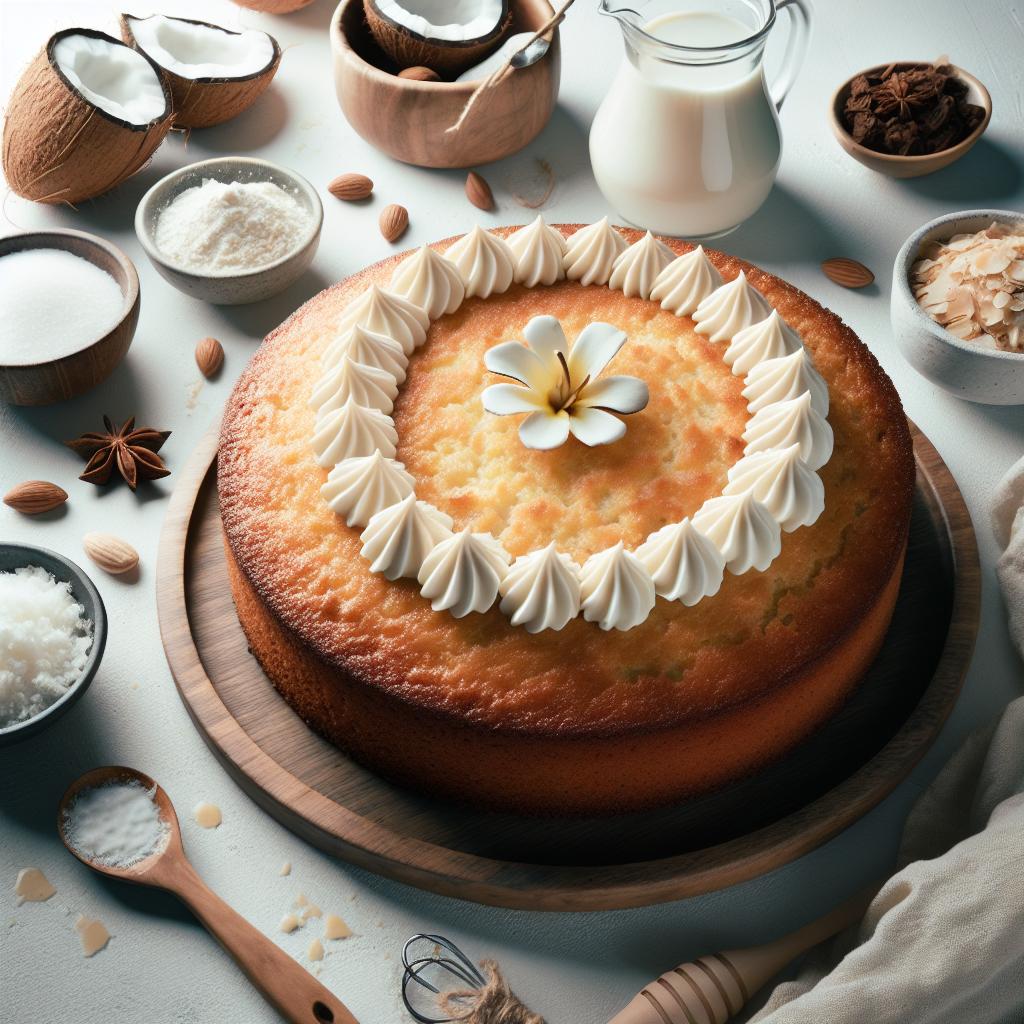
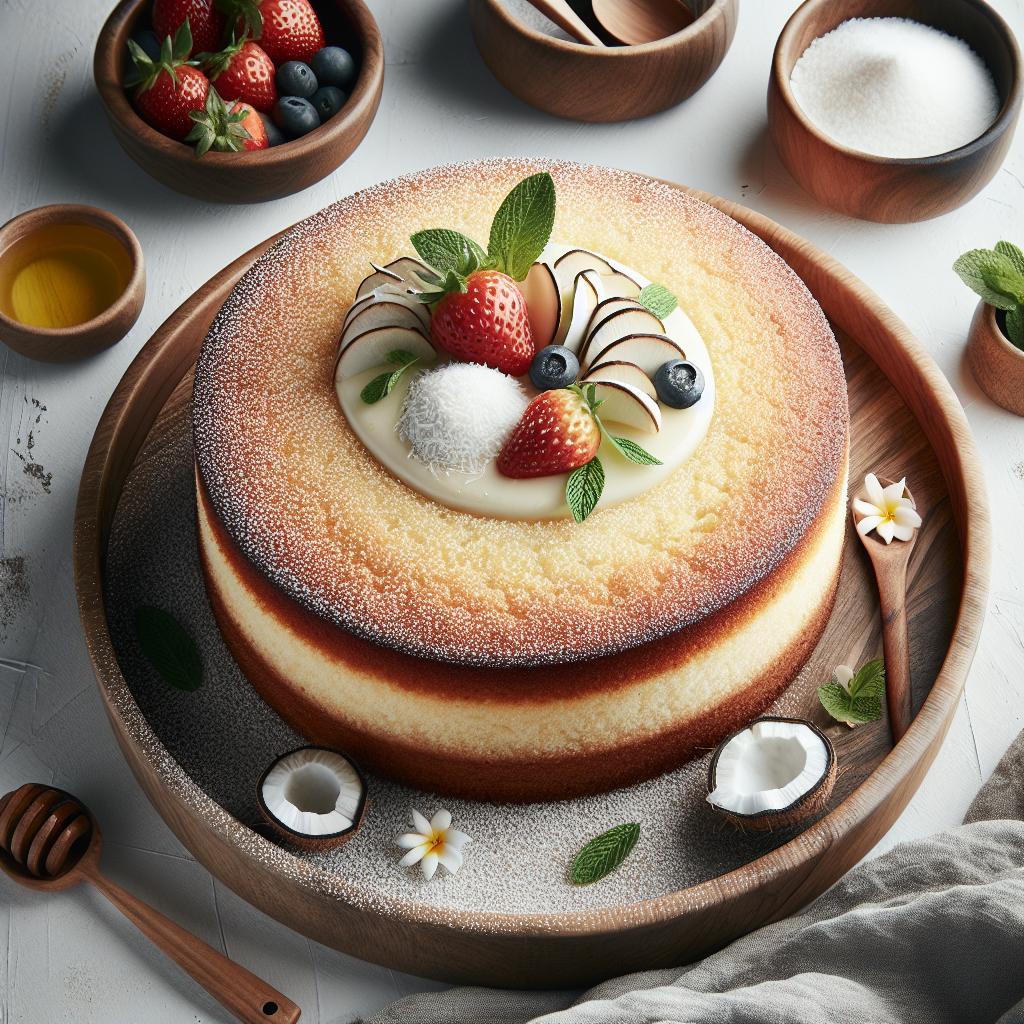
Whip up a moist coconut flour vanilla cake delight that captures the essence of warm, aromatic vanilla paired with the subtle tropical charm of coconut flour. This cake is a celebration of tender crumb and luscious moistness, making it the perfect treat for any occasion-from intimate gatherings to festive celebrations. The magic unfolds in the deft balance of ingredients and techniques that transform a naturally dense flour into a whisper-light and fluffy masterpiece.
Prep and Cook Time
- Preparation Time: 20 minutes
- Cooking Time: 35-40 minutes
- Total Time: 55-60 minutes
Yield
Serves 8 generous slices
Difficulty Level
Medium – approachable for bakers with a little experience eager to master coconut flour nuances
Ingredients
- 1 cup coconut flour, sifted for uniform texture
- ½ cup unsalted butter, softened at room temperature
- 1 cup coconut sugar or raw organic cane sugar
- 6 large eggs, gently beaten
- 1 cup unsweetened almond milk (or other dairy alternative)
- 2 teaspoons pure vanilla extract for that irresistible vanilla essence
- 1 teaspoon baking powder, gluten-free if preferred
- ½ teaspoon baking soda
- ¼ teaspoon sea salt
- Optional: 2 tablespoons Greek yogurt for extra moisture
Instructions
- Preheat your oven to 350°F (175°C). Grease a 9-inch round cake pan and line the bottom with parchment paper for easy release.
- Whisk the dry ingredients: In a medium bowl, sift together the coconut flour, baking powder, baking soda, and sea salt. Set aside to avoid clumps.
- Cream the butter and sugar: Using a mixer, beat the softened butter and coconut sugar on medium speed until light and fluffy, about 3-4 minutes. This step incorporates air, helping with moisture and texture.
- Add eggs gradually: Slowly add the beaten eggs, one at a time, blending well after each addition. The eggs act as both binder and moisture enhancers in this dense flour.
- Integrate vanilla and yogurt: Mix in the vanilla extract and, if using, the Greek yogurt to amplify richness and softness.
- Combine wet and dry: Alternately fold the sifted dry ingredients and almond milk into the wet mixture in three additions, starting and ending with the dry mixture. Do this gently to keep the batter airy.
- Pour batter into the pan: Smooth the top with a spatula. The batter will appear thicker than traditional wheat-based cake batter but trust this is the key to moist results.
- Bake: Place in the preheated oven and bake for 35 to 40 minutes. Check doneness by inserting a toothpick; it should come out clean or with a few moist crumbs but no wet batter.
- Cool completely: Allow the cake to cool in the pan for 15 minutes before inverting onto a wire rack. This step prevents breakage and further sets the crumb.
Chef’s Notes: Tips for Success
- Moisture mastery: Coconut flour absorbs significantly more liquid than traditional flours. Avoid substituting coconut flour 1:1 for other flours without adjusting liquids and eggs accordingly.
- Enhance fluffiness: Whisk eggs well before adding and don’t overmix once dry ingredients are combined – overmixing deflates the batter.
- Flavor layering: For deeper vanilla notes, add scraped vanilla bean seeds or a splash of vanilla bean paste alongside the extract.
- Dairy alternatives: Almond or coconut milk work beautifully here, but full-fat coconut milk canned in a carton can add even richer moistness.
- Make ahead: This cake freezes exceptionally well; slice and wrap in plastic wrap, then place in an airtight container for up to 3 months.
Serving Suggestions
Serve chilled or at room temperature, topped with a cloud of whipped coconut cream or cream cheese frosting infused with a hint of maple syrup or toasted coconut flakes. Fresh berries, edible flowers, or a dusting of powdered sugar add elegant simplicity that invites the eye as much as the palate. Pair with a delicate cup of jasmine or Earl Grey tea to accentuate the vanilla fragrance.
Flavor Pairings and Enhancements
- Fresh raspberries or sliced stone fruits (peaches, nectarines) for bright contrast
- Drizzle of homemade caramel or a playful cinnamon-spiced ganache
- Chopped toasted pecans or macadamia nuts for textural depth
- A splash of rum or a pinch of cardamom in the frosting for exotic warmth
Baking Secrets for Fluffy Success
Use an oven thermometer to ensure steady temperature; ovens often fluctuate, affecting rise and crumb texture. Rotate your cake halfway through baking for even coloring. If your cake edges brown too quickly, cover loosely with foil after 25 minutes.
Creative Frosting Ideas and Presentation Tips
- Coconut Cream Frosting: Whip chilled coconut cream with powdered sugar and a touch of vanilla for a dairy-free, luscious topping.
- Vanilla Bean Swiss Meringue Buttercream: Create a silky, fluffy frosting that amplifies the cake’s vanilla vibe.
- Edible Gold Leaf or Shredded Coconut Garnish: Add shimmer and tropical texture for visual impact.
- Layer cake delight: Slice horizontally and spread frosting with fresh fruit layers inside for a stunning reveal.
| Nutrient | Per Serving |
|---|---|
| Calories | 280 kcal |
| Protein | 6 g |
| Carbohydrates | 25 g |
| Fat | 18 g |
For more delicious coconut flour recipes, check out our Healthy Coconut Flour Muffins guide. Learn about coconut flour properties and health benefits at Medical News Today.

Q&A
Q&A: Whip Up a Moist Coconut Flour Vanilla Cake Delight
Q1: What makes coconut flour a unique choice for baking a vanilla cake?
A1: Coconut flour is a gluten-free, fiber-rich powerhouse that brings a subtle, naturally sweet flavor to your cake. Its ability to absorb more moisture than traditional flours ensures your vanilla cake stays irresistibly moist and tender, creating a delightful texture that’s both light and satisfying.
Q2: How do I prevent my coconut flour vanilla cake from becoming too dry or crumbly?
A2: The secret lies in balancing moisture and binders. Coconut flour soaks up a lot of liquid, so using plenty of eggs, a splash of milk (or dairy-free alternative), and a bit of oil or butter helps maintain softness. Mixing ingredients gently and avoiding overbaking also keeps each slice moist and luscious.
Q3: Can I customize the flavor of my coconut flour vanilla cake?
A3: Absolutely! While the vanilla base offers a comforting aroma, you can add a twist with a hint of almond extract, a sprinkle of cinnamon, or even fold in shredded coconut or dark chocolate chips. These tweaks make your cake uniquely yours without overpowering the delicate coconut and vanilla harmony.
Q4: Is coconut flour suitable for those with dietary restrictions?
A4: Yes! Coconut flour is naturally gluten-free and low in carbs, making it an excellent option for people with gluten sensitivities or those following keto or paleo diets. Just be mindful of eggs and dairy if you have allergies; there are great substitutes like flax eggs and plant-based milk to keep your cake inclusive.
Q5: How should I store my coconut flour vanilla cake to keep it fresh?
A5: Store your cake in an airtight container at room temperature for up to two days to maintain its softness. For longer freshness, refrigerate for up to a week or freeze individual slices wrapped tightly. When ready to enjoy, a quick warm-up in the oven or microwave brings back that freshly baked bliss.
Q6: What’s the best frosting pairing for this cake?
A6: Cream cheese frosting is a classic companion, adding a tangy richness that complements the vanilla’s sweetness and coconut’s nuttiness. Alternatively, a light coconut whipped cream or a simple dusting of powdered sugar keeps the focus on the cake’s moist, tender crumb.
Whip up your coconut flour vanilla cake delight with these insights, and transform everyday baking into an unforgettable tropical treat!
The Way Forward
In the world of baking, few treats promise both flavor and nourishment quite like a moist coconut flour vanilla cake. With its delicate crumb and subtle tropical aroma, this delightful dessert redefines indulgence-proving that gluten-free can be gloriously gratifying. Whether you’re a seasoned baker or a curious novice, whipping up this cake invites you to celebrate wholesome ingredients without sacrificing taste. So next time you crave something sweet, remember: a slice of coconut flour vanilla cake isn’t just a dessert-it’s a joyful experience, crafted by your own hands and savored one moist, flavorful bite at a time. Happy baking!